
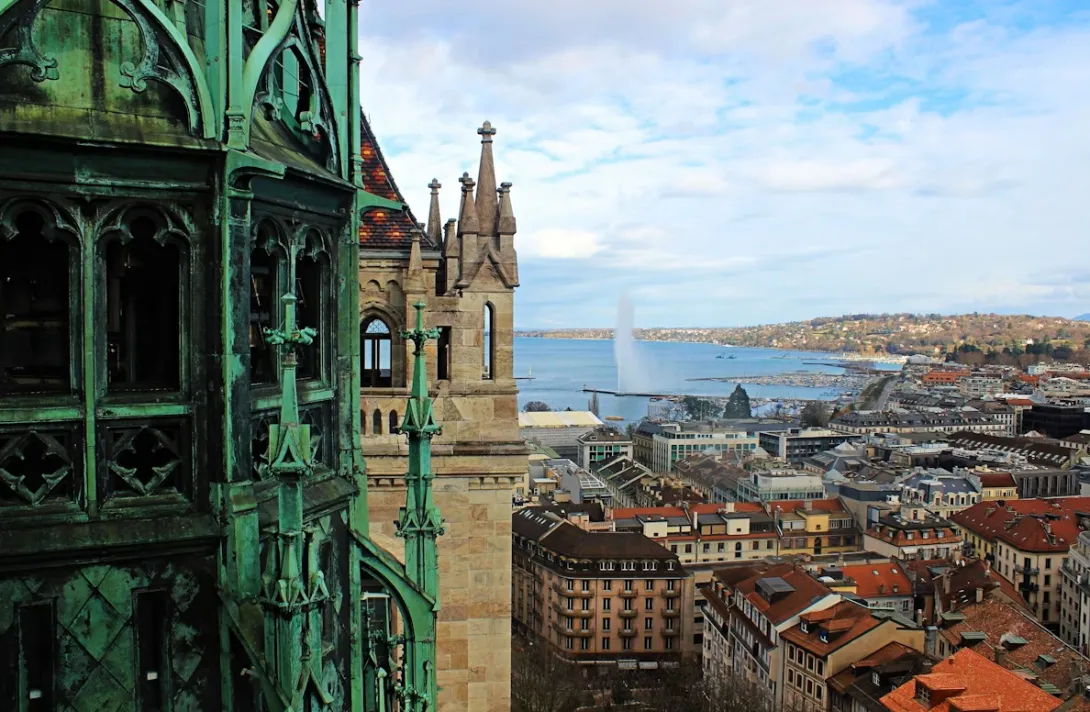
The Geneva to Montreux drive is widely considered one of the most beautiful journeys in Switzerland. Running along the northern curve of Lake Geneva (Lac Léman), this route connects the diplomatic heart of Geneva with the jazz-famous shores of Montreux. By following the lakeside road, you immerse yourself in the Swiss Riviera, a region where palm trees meet snow-capped peaks.
In 2026, travelers increasingly look for scenic drives and interesting stops between cities to escape the monotony of the motorway. This guide highlights the essential locations to explore along the route, ensuring your journey is as memorable as the destination itself.
Why This Is the Most Beautiful Drive on Lake Geneva
The stretch between Geneva and Montreux is unique because it combines three distinct landscapes: the urban elegance of the "Lemanic" cities, the wild beauty of the French Alps rising from the opposite shore, and the man-made marvel of the UNESCO-protected vineyards.
Choosing the Geneva to Montreux scenic drive over the A1 highway adds only about 30-40 minutes of pure driving time but provides hours of visual rewards. The Route du Lac (Route 1) allows you to pass through Belle Époque towns like Rolle and Morges, which are often missed by those rushing to the mountains.
Route Overview: Mapping the Lake Geneva Road Trip
To see the best of the region, bypass the A1 highway and take Route 1 (Route du Lac). This path keeps you close to the water and passes directly through the UNESCO Lavaux vineyards.
Driving Logistics & Map Strategy
The total distance is roughly 110 kilometers if you follow the shoreline closely.
| Stop | Distance from Geneva | Driving Time | Highlight |
|---|---|---|---|
| Geneva (Departure) | 0 km | - | Jet d'Eau & Old Town |
| Nyon | 25 km | 30 min | Roman Ruins & White Castle |
| Morges | 20 km | 25 min | Tulip Festival & Harbor |
| Lavaux Terraces | 35 km | 45 min | UNESCO Vineyard Walks |
| Saint-Saphorin | 5 km | 10 min | Medieval Wine Village |
| Chillon Castle | 15 km | 20 min | Iconic Island Fortress |
| Montreux (Arrival) | 5 km | 10 min | Statue of Freddie Mercury |
Best Stops Between Geneva and Montreux
1. Nyon Castle: The Roman Legacy
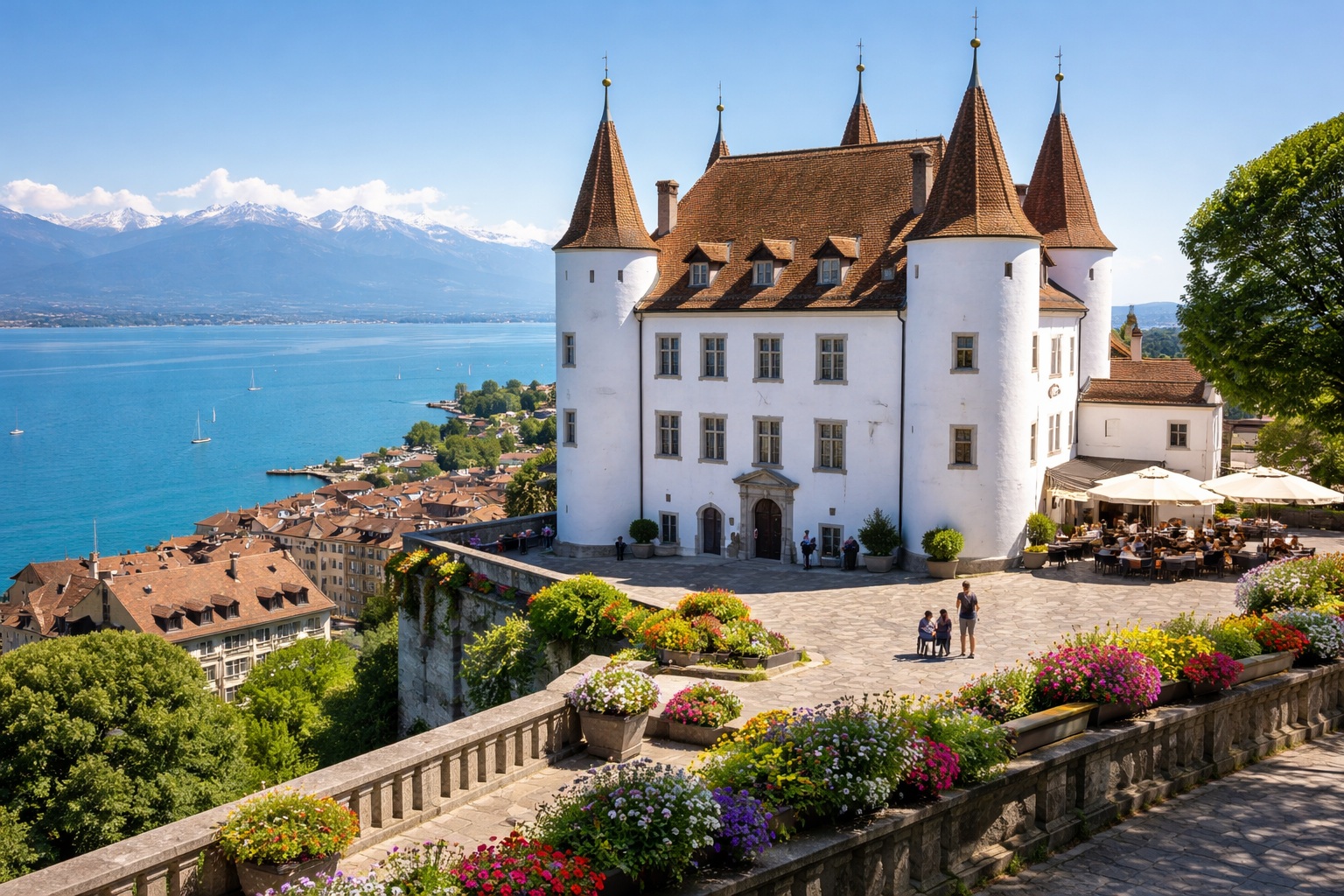
A striking white fortress with five towers, Nyon Castle (Château de Nyon) is a prime example of Swiss heritage. Built in the 12th century on Roman foundations, it now houses a historical museum and a world-class porcelain collection.
Deep Dive: History & Experience Nyon was founded by Julius Caesar as Colonia Iulia Equestris, and you can still see Roman columns near the castle. The castle itself reflects the Bernese period of Swiss history. As you walk through the courtyard, you’ll notice the impeccable white limestone that shines against the blue of the lake. The view from the castle terrace is one of the most famous on the lake, offering a clear line of sight to the Mont Blanc massif on sunny days.
Why it’s a must-stop: It offers a "two-in-one" experience: Roman ruins in the town and a fairy-tale castle on the hill.
Comparison: Nyon vs. Morges Castle: While Morges Castle is home to the Swiss Military Museum, Nyon feels more like a grand residence with its refined porcelain exhibits and better elevated lake views.
Practical Info: Open 10:00–17:00 (Nov-Mar closed on Mondays). Admission is 8 CHF, but the terrace and gardens are free.
2. Lavaux Vineyards: The UNESCO Treasure
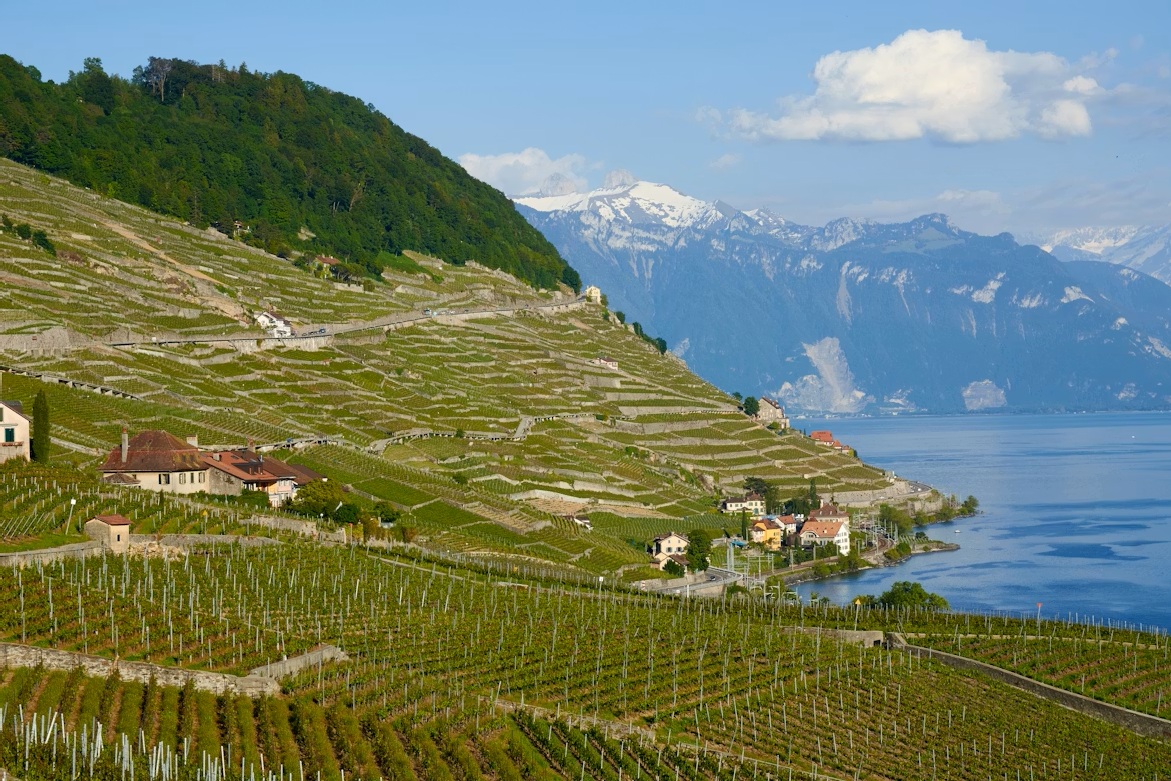
The Lavaux vineyards Switzerland are a UNESCO World Heritage site consisting of 800 hectares of terraced vines. This is the centerpiece of any Lake Geneva road trip.
Deep Dive: History & Experience These terraces were built by Cistercian monks in the 11th century. Today, they represent a "living landscape." The vineyards benefit from the "Three Suns": direct sunlight, heat reflected from the lake, and heat stored in the ancient stone walls. This allows the Chasselas grape to thrive. Walking the "Chemin des Vignes" (Vineyard Path) between the villages of Chexbres, Rivaz, and Saint-Saphorin is a life-changing experience for any nature lover.
Why it’s a must-stop: It is the best place to find hidden gems between Geneva and Montreux. You can stop at small "Caveaux" (wine cellars) where local winemakers sell their bottles directly.
Comparison: Lavaux vs. Valais: Lavaux is defined by its dramatic lake proximity and milder "Riviera" climate, whereas Valais vineyards are deeper in the Alps and have a more rugged, continental feel.
Practical Info: Use the "Vinorama" center in Rivaz as a starting point. Parking is available in Chexbres. The vineyard trails are open and free year-round.
3. Saint-Saphorin: The Soul of the Riviera
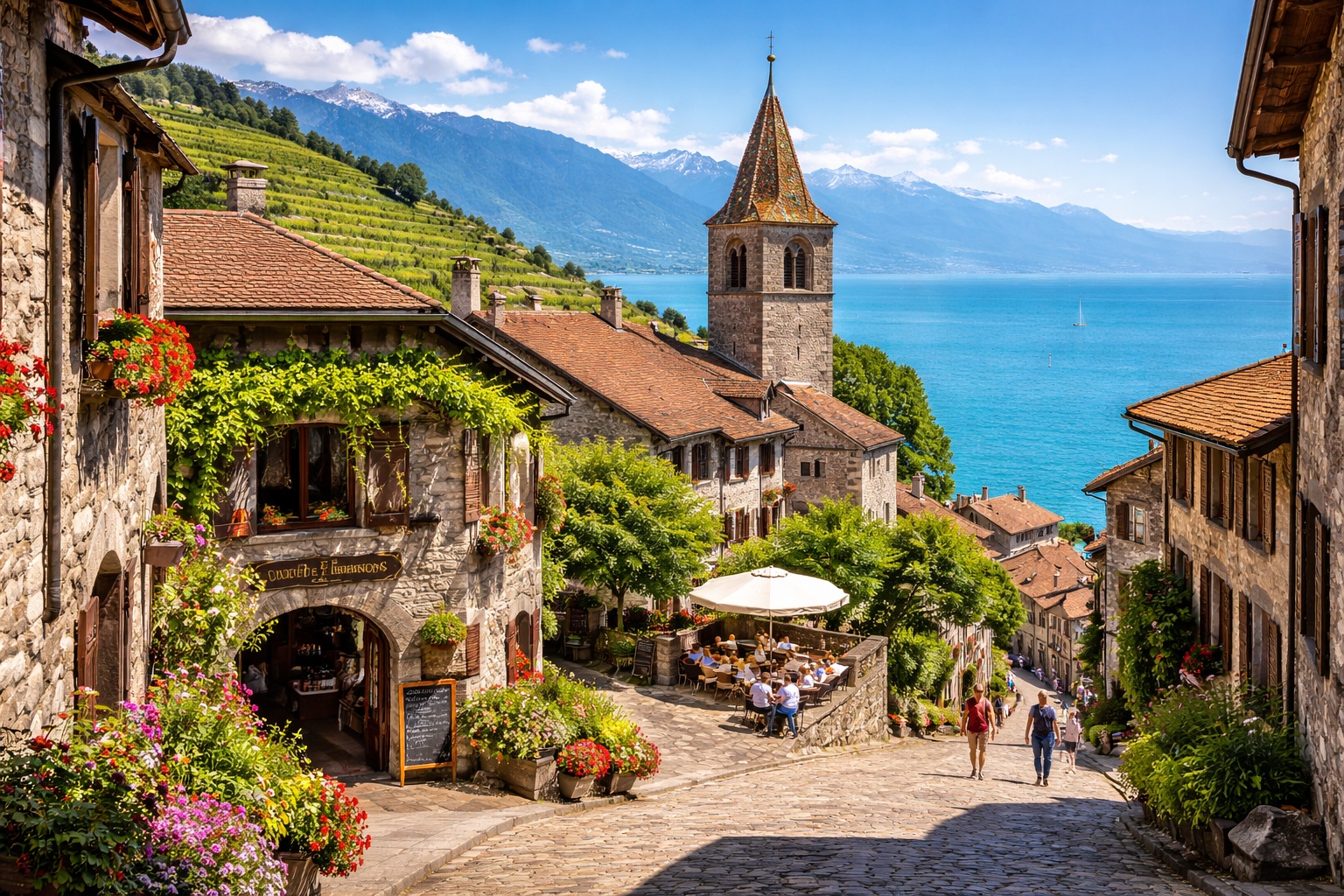
Saint-Saphorin is a medieval village that seems frozen in time. With its narrow cobbled streets and centuries-old wine cellars, it serves as a romantic stop on the route.
Deep Dive: History & Experience The village is named after Saint Symphorian, and its church dates back to the 15th century. Saint-Saphorin is incredibly dense; houses are built one on top of the other to save space for the precious vines. Walking here, you’ll hear the faint sound of the lake waves and the wind in the leaves. It is the perfect place to experience "Slow Travel" in Switzerland.
Why it’s a must-stop: It offers an authentic glimpse into the Swiss Riviera’s history. It is often less crowded than the larger towns of Vevey or Montreux.
Comparison: Saint-Saphorin vs. Vevey: Vevey is a major town with big-name attractions like the Alimentarium and the Chaplin’s World. Saint-Saphorin is its quiet, soulful neighbor.
Practical Info: The village is mostly car-free. Park near the train station or the main square and explore on foot.
4. Chillon Castle: The Island Fortress
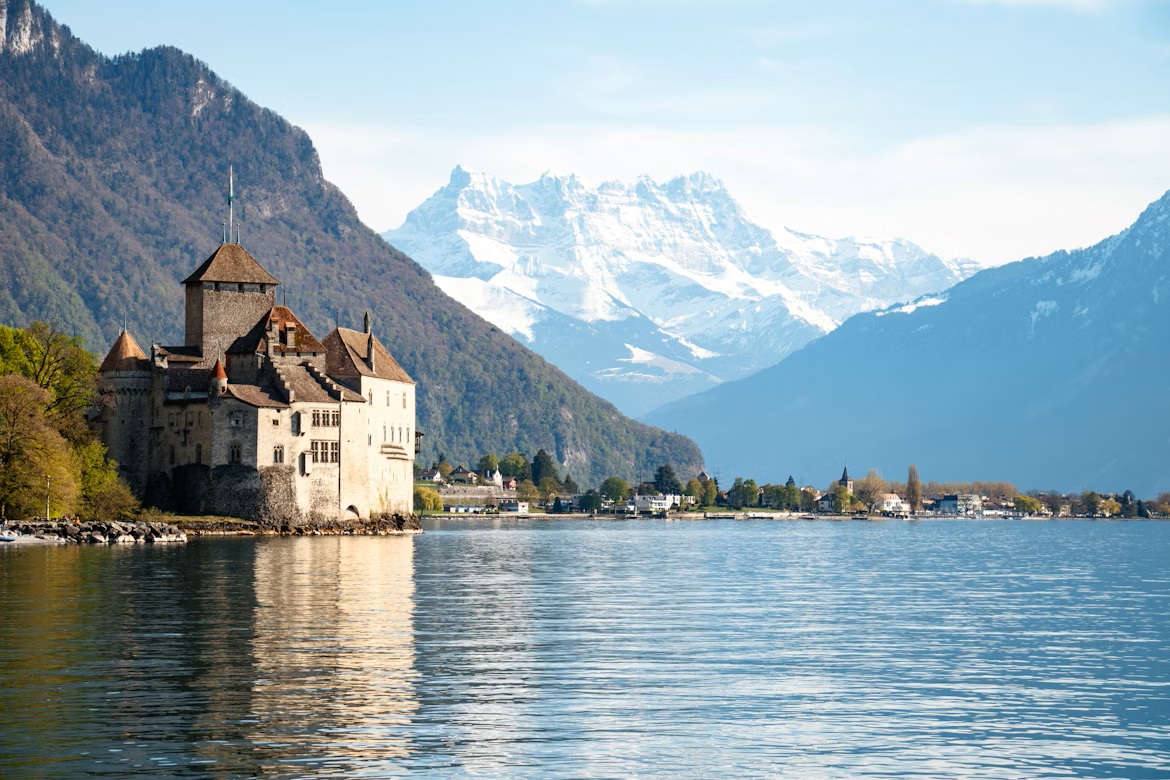
Chillon Castle (Château de Chillon) is one of the most visited historic monuments in Switzerland. This island fortress, made famous by Lord Byron’s poem The Prisoner of Chillon, sits directly on a rock on the shores of Lake Geneva.
Deep Dive: History & Experience The castle served as a strategic toll point for the Counts of Savoy, who controlled the road between the lake and the mountains. You can visit the Duke’s bedrooms, the great halls used for banquets, and the haunting subterranean dungeons where François Bonivard was chained for years. In 2026, the castle has introduced interactive digital guides that bring the 14th-century court life to life.
Why it’s a must-stop: It is arguably the best-preserved medieval castle in Europe. The views of the castle against the Dents du Midi mountains are legendary.
Comparison: Chillon vs. Gruyères Castle: Chillon is a "water castle" focused on maritime and trade power. Gruyères is a hilltop fortress in the heart of the Pre-Alps cheese country. Both are essential, but Chillon is more dramatic.
Practical Info: Open daily. Entry is 15 CHF. To avoid crowds, visit at 9:00 AM or after 4:00 PM.
Best Viewpoints for Photography
To capture the best stops between Geneva and Montreux, you need to know where the light hits the landscape:
The Chexbres "Balcony": Drive up to the village of Chexbres. From the train station area, you get a 180-degree view of the Lavaux terraces and the French Alps across the lake.
Rivaz Shoreline: Great for "low-angle" shots where the vineyard walls meet the water.
Montreux Flower Promenade: The walk between the Montreux Casino and Chillon Castle is lined with exotic flowers and sculptures, offering a vibrant foreground for lake photos.
Gastronomy: Where to Eat Along the Route
A Geneva to Montreux scenic drive is incomplete without sampling the local flavors.
Auberge de l’Onde (Saint-Saphorin): A Michelin-recommended spot that has hosted celebrities for decades. Their rotisserie is legendary.
Le Deck (Chexbres): Part of the Baron Tavernier hotel, this is the most famous terrace in the region. Perfect for an afternoon glass of Chasselas wine.
Café de la Poste (Cully): A casual, authentic Swiss brasserie. Order the "Filets de Perche" (local perch) with a side of frites.
Tout un Monde (Bourg-en-Lavaux): Offers a modern take on Swiss cuisine with a terrace that overlooks the entire vineyard region.
Practical Travel Tips for 2026
Parking Info & Apps
Switzerland is strict about parking.
White Zones: Paid parking (usually via meter or app).
Blue Zones: Free for a limited time (usually 1 hour), but you must display a blue parking disc.
Apps: In 2026, Parkingpay and EasyPark are the standard. They allow you to pay digitally and extend your session remotely.
Best Time for the Swiss Riviera
Spring (April-May): Famous for the Narcissus and Tulip festivals in Morges and Montreux.
Summer (June-August): Best for swimming in the lake and outdoor wine festivals.
Autumn (September-October): The harvest season. The vineyards turn bright gold, and the air is crisp.
Driving Rules
Vignette: If you plan to use any highway (even for a minute), you need the Swiss motorway vignette (40 CHF). In 2026, the E-Vignette is the most convenient option.
Speed Limits: Swiss speed cameras are everywhere. Limits are usually 50 km/h in towns and 80 km/h on country roads.
Smart Planning with Wayro
If you want to automatically find similar detours on other routes, Wayro is designed specifically for scenic road trips, helping travelers discover stops that traditional GPS apps often miss. By analyzing intercity drives with the same depth as this guide, it ensures you never miss a hidden gem just because it wasn't on the fastest path.
Mistakes to Avoid on Your Geneva to Montreux Road Trip
Ignoring the "Route du Lac" signs: If you follow the default GPS route, you will end up on the highway. Always look for the brown "Touristique" signs.
Visiting Chillon on a Weekend Midday: The crowds can be overwhelming. Try to time your visit for a weekday morning.
Not Booking Wine Tastings: Many smaller cellars in Lavaux are only open by appointment. Use the Wayro app to check availability before you drive.
Forgetting the Weather: The lake has its own microclimate. It can be sunny in Montreux while raining in Geneva. Always check a local weather app like MeteoSwiss.
FAQ: Geneva to Montreux Scenic Drive
Is it better to take the train or drive? The train is faster and very scenic, but a car gives you the freedom to explore the hidden villages of Lavaux like Saint-Saphorin, which are harder to reach by rail.
Can I visit Chillon Castle and Lavaux in one day? Yes, it is the perfect one-day itinerary. Start in Geneva at 9:00 AM, spend lunch in Lavaux, and reach Chillon by 3:00 PM.
How much does the road trip cost? Expect to spend about 15-20 CHF on gas/parking, 15 CHF for castle entry, and 30-50 CHF for a nice lunch.
Are the vineyards accessible for people with limited mobility? Some paths are very steep, but the main road through Chexbres and the village centers are accessible. The "Lavaux Express" tourist train is a great alternative for those who cannot walk long distances.
Summary: Planning Your Trip
A Geneva to Montreux drive is more than just travel between cities; it’s a deep dive into the heart of Swiss culture. By focusing on the UNESCO Lavaux vineyards and the historic castles of Nyon and Chillon, you turn a simple journey into a world-class experience.
For more insights on how to explore along the route, check out our guide on how to find the best stops between cities. Additionally, if you are looking for more cultural attractions on road trips, consider our curated list of hidden gems between Geneva and Montreux.
Continue Your Adventure
These curated European road trips are for travelers who savor every mile. From industrial harbors to Alpine peaks and historic capitals, discover routes where the stops are as memorable as the journey itself:
Antwerp to Rotterdam – Industrial Delta Route: Explore the heart of the Low Countries, passing modern harbors, wind-swept dikes, and hidden canal-side gems. A perfect blend of cityscape and industrial heritage.
Munich to Salzburg – Scenic Alpine Route: Skip the autobahn and wind through Bavarian villages, emerald lakes, and dramatic mountain viewpoints. Ideal for nature enthusiasts and lovers of baroque architecture.
Budapest to Zagreb – M7 vs. M86 Scenic Stops: Experience the cultural and natural highlights of Hungary and Croatia. From rolling hills to riverside towns, this route balances history, gastronomy, and picturesque landscapes.
New to road trip planning? Learn the secrets in our essential deep-dive: More than just a highway: How to find the best stops and hidden gems between cities.