
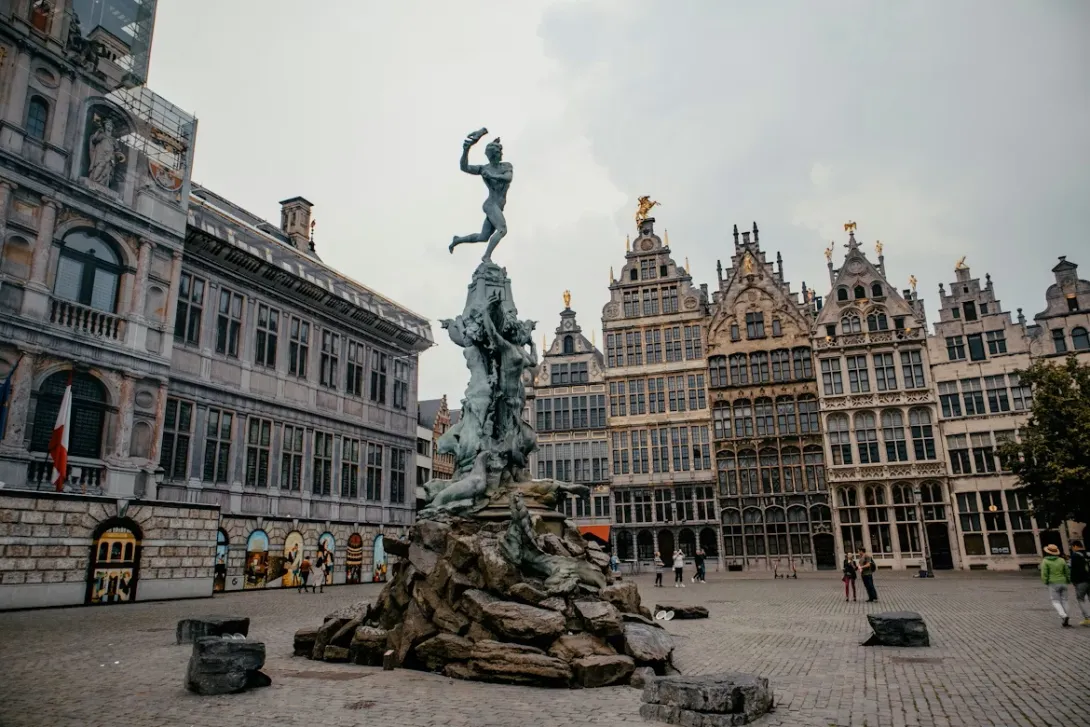
The drive between Antwerp and Rotterdam represents the densest overlap of European maritime industry and coastal wilderness. While most travelers rush through the E19 highway, this route offers a rare look at the landscape where hydraulic engineering meets the raw power of the North Sea. It is a path specifically designed for photographers, EV drivers, and heritage travelers looking for a Zeeland delta itinerary that escapes the tourist crowds.
If you are looking for an offbeat Antwerp Rotterdam road trip 2026 experience, this journey takes you through the "liminal spaces" of the polders. This route is regularly suggested by maritime heritage researchers because it cuts through areas historically shaped by both Dutch and Flemish hydraulic engineering, providing a visual history of how the Low Countries were literally clawed back from the ocean.
Knowing how to drive from Antwerp to Rotterdam without highways is the key to discovering the Delta’s hidden character. Below is the technical breakdown of the journey.
Full Route Overview & Logistics
| Stop | Distance from Prev. | Category | Recommended Time | Parking Tip |
|---|---|---|---|---|
| Fort Lillo | 15 km (Start) | Historic Village | 1 Hour | P+R Lillo (Entrance) |
| Doel | 22 km | Ghost Town | 1.5 Hours | Visitor Lot (Scheldemolenstraat) |
| Saeftinghe | 30 km | Nature Reserve | 2-3 Hours | Bezoekerscentrum Parking |
| Fort Rammekens | 55 km | Sea Fort | 1.5 Hours | Rammekensweg Public Lot |
| Kinderdijk | 65 km | Engineering | 2 Hours | Overwaard (Peripheral Path) |
| Rotterdam M4H | 20 km | Urban Finish | Evening | M4H Street Parking |
Primary Destinations: From Sea Forts to Ghost Towns
1. Fort Lillo: The Fortress at the Edge of the World
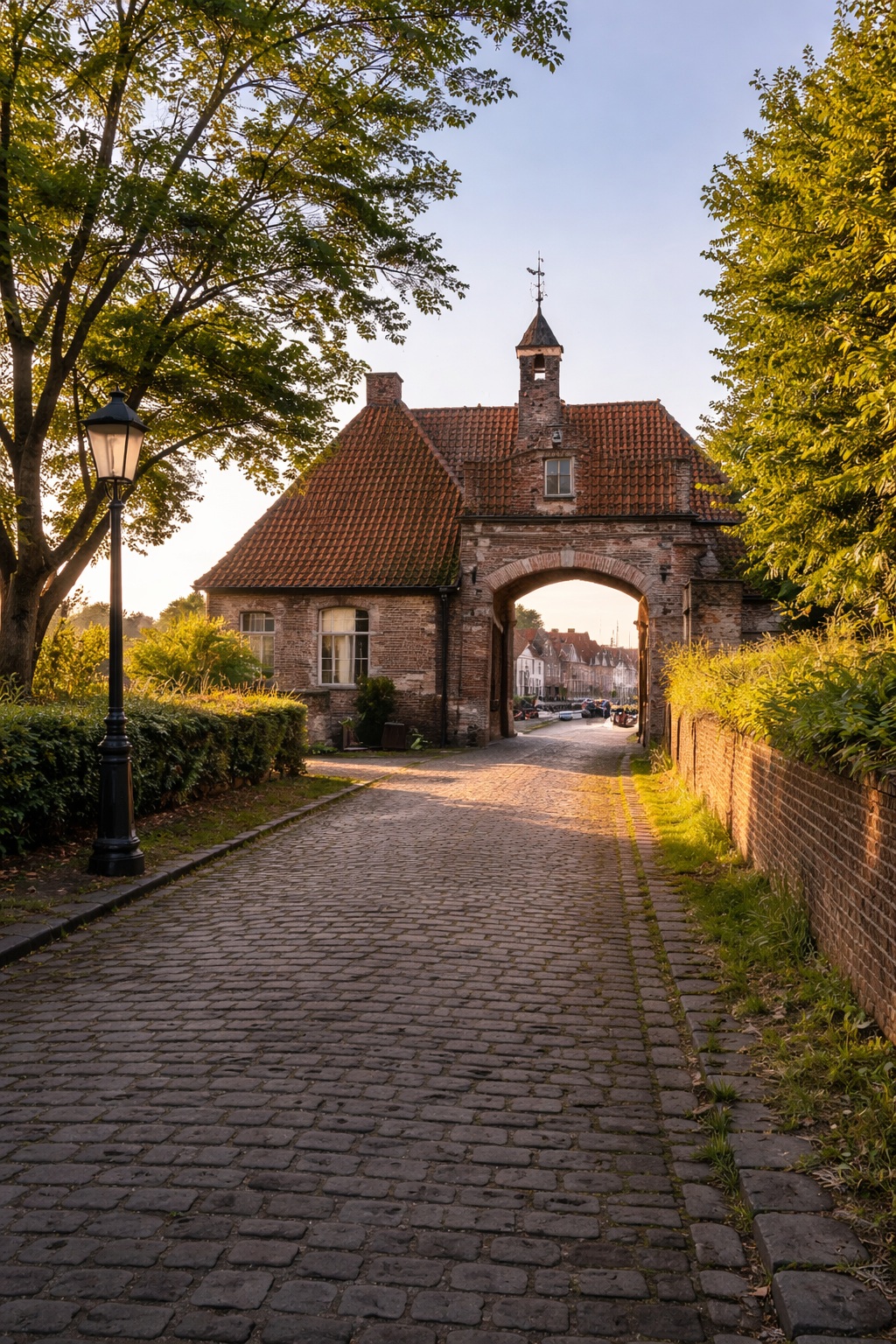
Located deep within the Port of Antwerp, Lillo is a 16th-century enclave that feels like a "glitch in the matrix." It is a tiny, living village surrounded by the world’s largest container ships.
Opening Hours: Public areas 24/7.
Entrance Fee: Free.
Micro-Instruction: Park at the village entrance. Walk to the Western ramparts to watch the Triple-E class container ships pass within 200 meters of the shore.
Wayro Tip:
Use the Atmospheric Villages filter in Wayro to find similar "bubble-in-time" locations across Flanders.
2. Doel: Surrealism and Urban Art
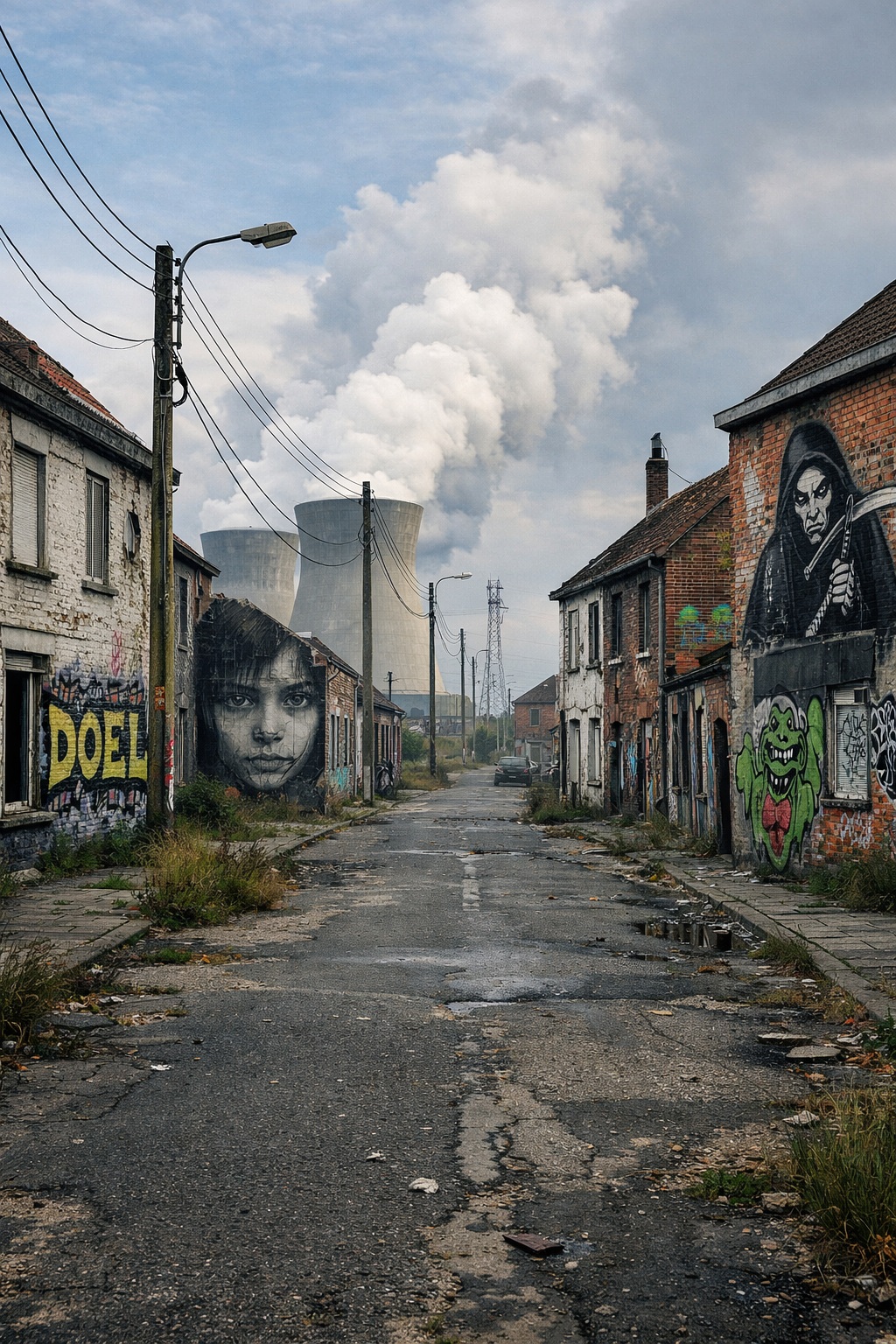
Doel is a living paradox. This abandoned village is famous for its high-level street art and the looming silhouette of the Doel Nuclear Power Station. The visual contrast makes it one of the most compelling stops on any road trip through Northern Flanders.
Opening Hours: Open to pedestrians 24/7; vehicle access is restricted after 6:00 PM.
Entrance Fee: Free.
Comparative Logic: Unlike the polished street art of Ghent, Doel is raw. Note: Port operations may occasionally restrict access; check local advisories before arrival.
3. Verdronken Land van Saeftinghe: The Breathing Delta
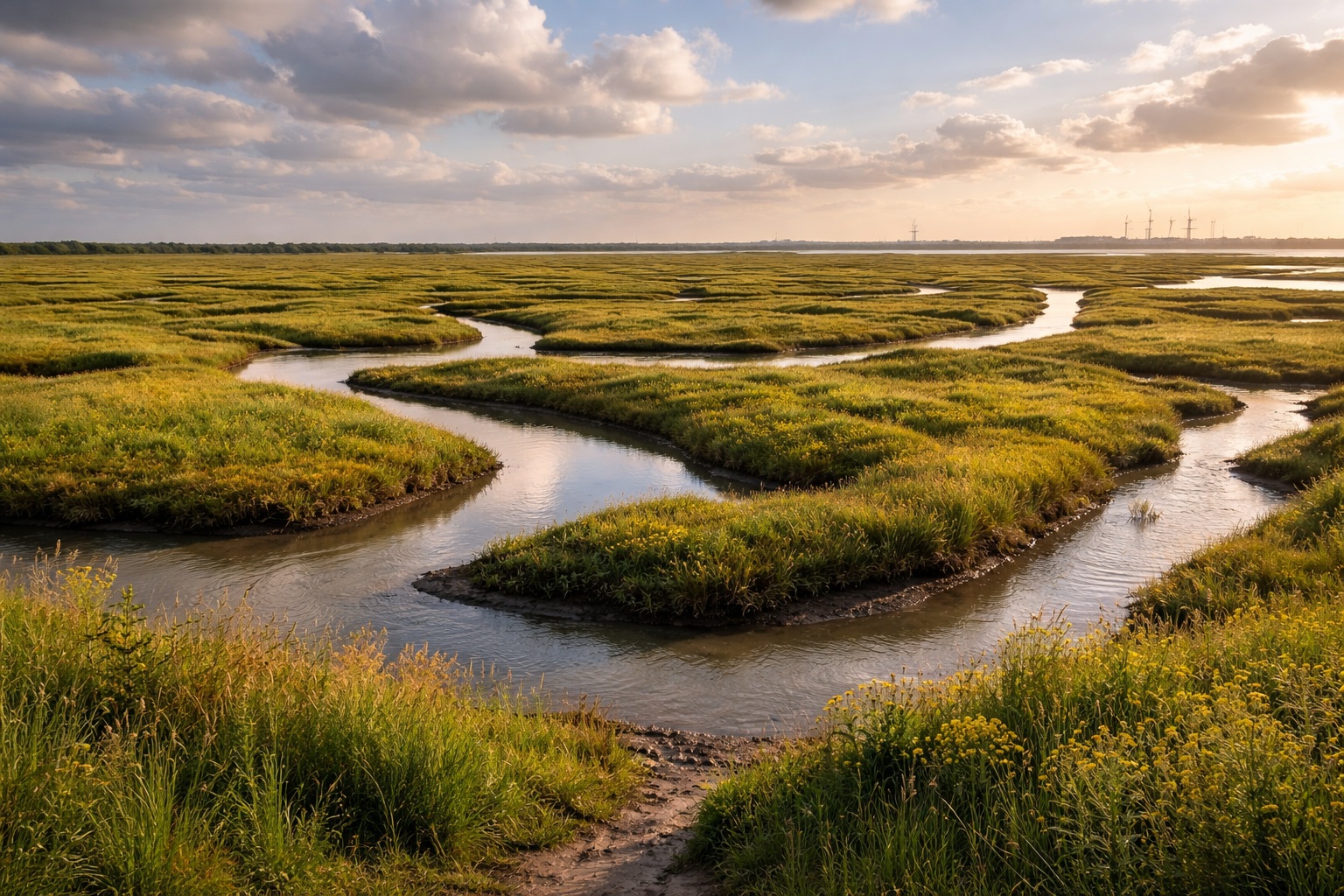
This is the largest brackish wilderness in Europe. The landscape is a labyrinth of mudflats and gullies that flood twice daily with the tide, creating a truly unique cross-border delta nature experience.
Opening Hours: 9:00 AM – 5:00 PM (Visitor Center).
Micro-Instruction: For the "Plankierpad" (boardwalk), no guide is needed. For deep marsh treks, guided mud-walks (€10) are mandatory due to tidal dangers.
Safety Note: Mobile reception is poor; download offline maps before entering the marshes.
Mastering the Art of the Detour
Planning a journey through industrial zones and hidden deltas requires a shift in mindset. To truly move beyond the highway and uncover the layers of history hidden between Antwerp and Rotterdam, you need to know how to find the best stops and hidden gems between cities. Our comprehensive guide on using Wayro’s smart filters will teach you how to spot "liminal" locations — like ghost towns and forgotten forts — that traditional maps often ignore.
4. Fort Rammekens: The Oldest Sea Fort in the West
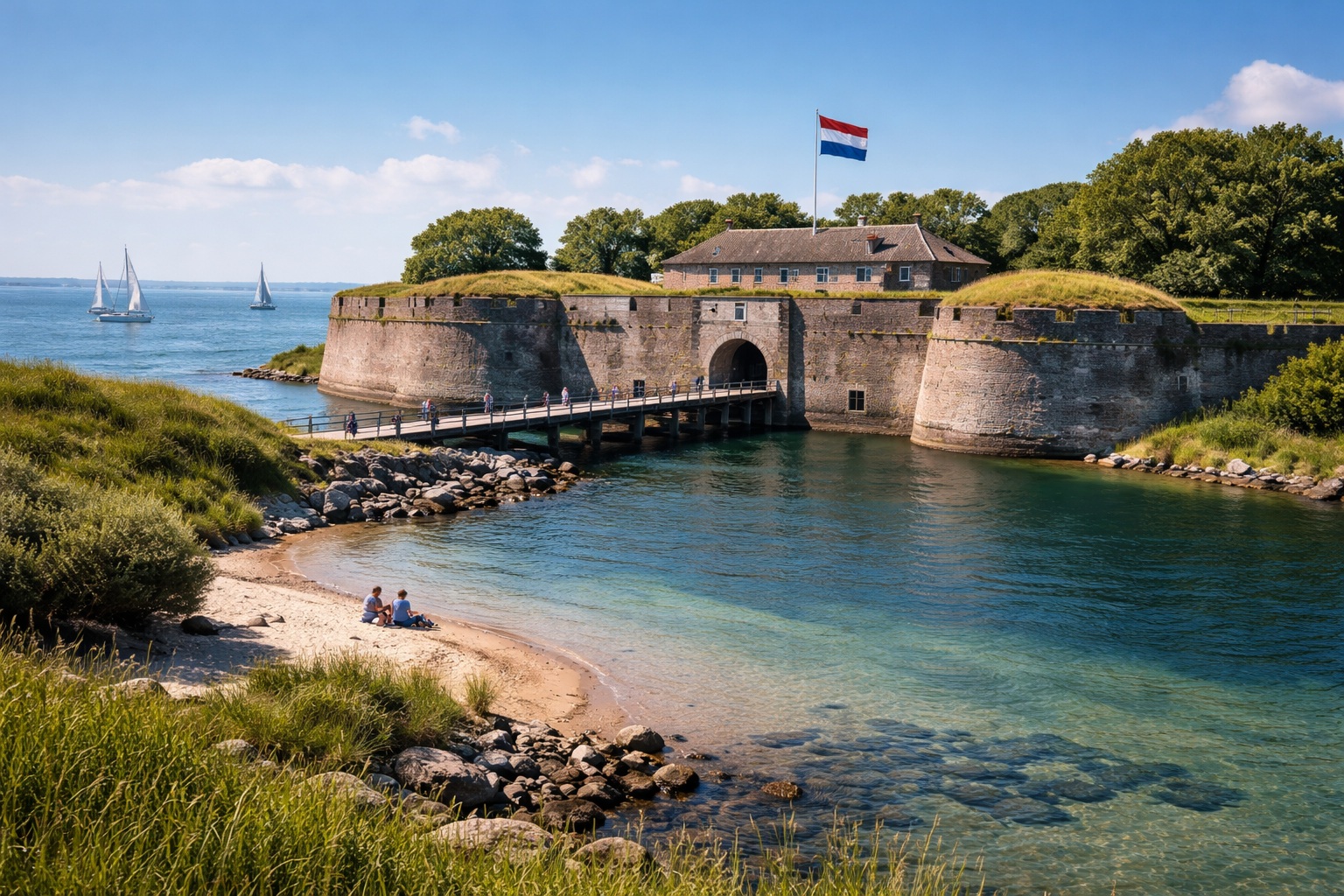
Constructed in 1547, Fort Rammekens is a monolithic masterpiece of military history. It stands on the edge of the Westerschelde, offering a panoramic view of the Zeeland/Flanders delta.
Opening Hours: April–October, 12:00 PM – 5:00 PM (Closed Winter).
Entrance Fee: €5.00.
Comparative Logic: It lacks the "museum feel" of Dutch inland forts, offering instead a raw, windy, and cinematic atmosphere.
5. Kinderdijk: The Engineering Perimeter
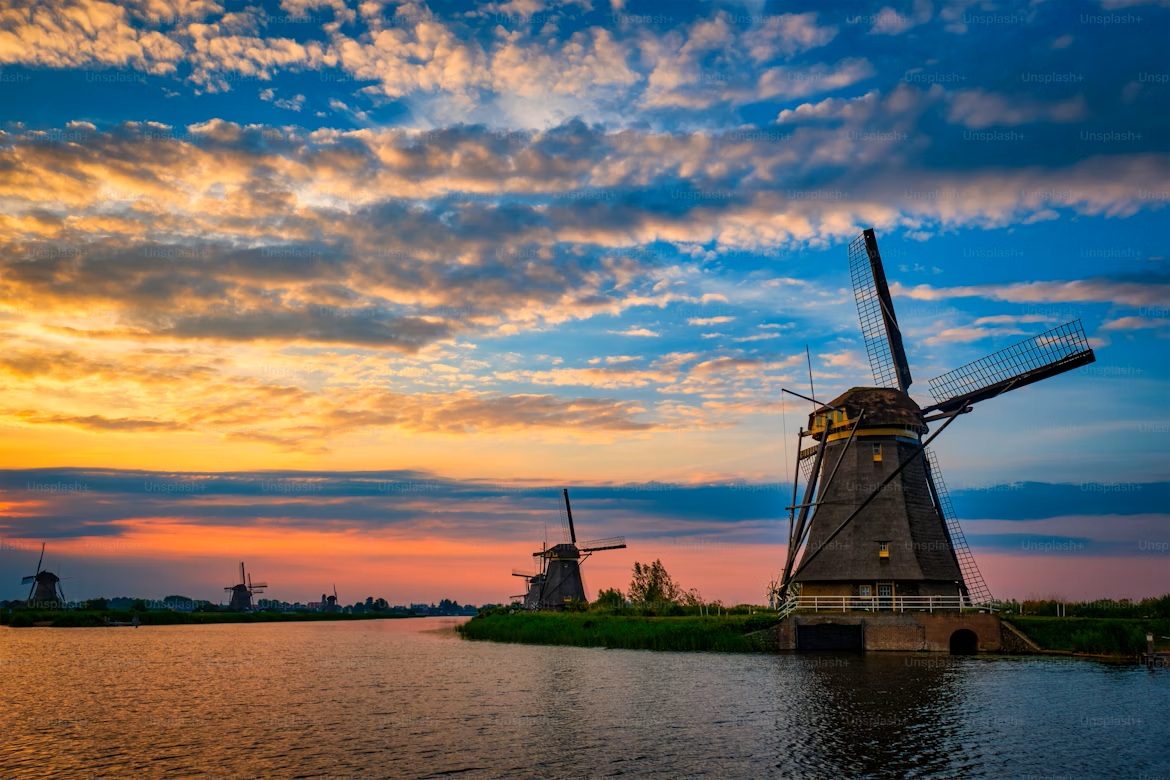
While the visitor center is often crowded, the peripheral walking paths allow you to see the windmills as they were intended: as working machines in a vast water-management system.
Opening Hours: Public trails open 24/7.
Micro-Instruction: Enter via the Molenkade path for a crowd-free perspective.
6. Rotterdam (Katendrecht & M4H): Port Transformation
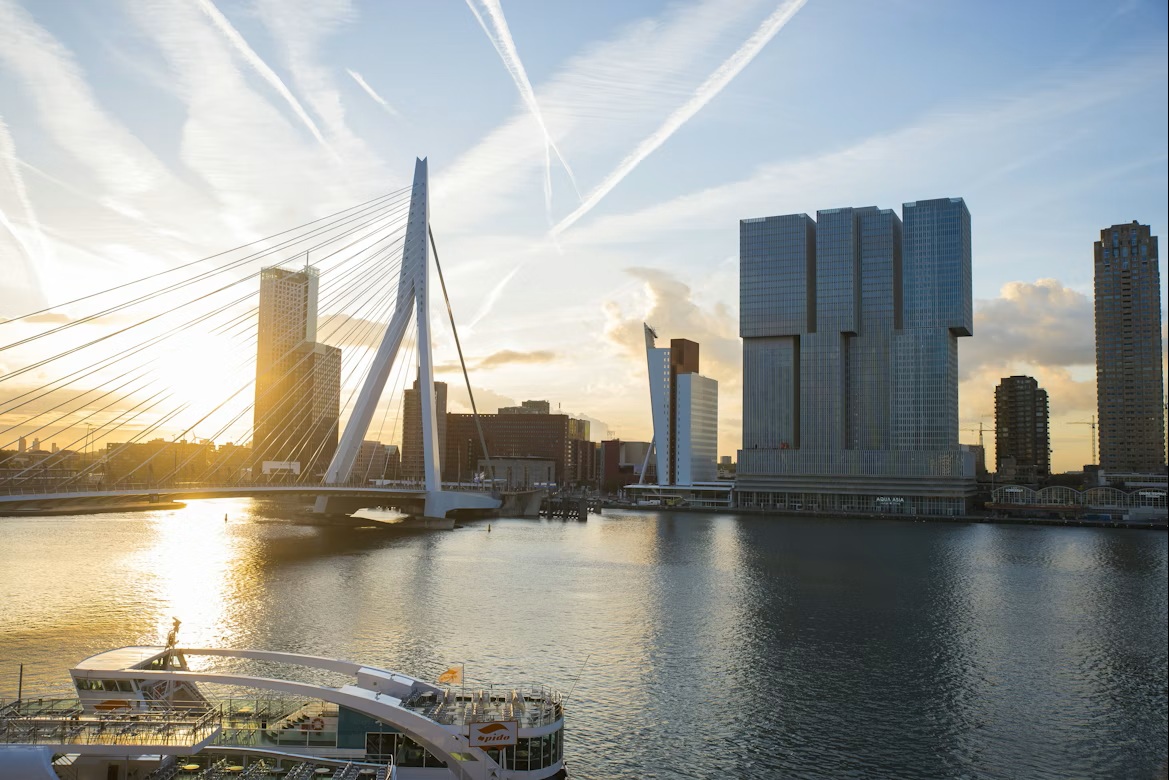
Finish your journey in the districts of Katendrecht or Merwe-Vierhavens (M4H). These former industrial zones are now centers for innovation and food culture, representing the modern evolution of the delta's trade history.
Practical Essentials for the Delta Route
How to Find the Best Stops Between Cities
To truly explore more of this region in 2026, you must prioritize "liminal" spaces — areas that sit on the boundary between urban development and wild nature.
Learn how to find the best stops between cities by focusing on points where the industrial port meets protected nature.
Weather Consideration: Delta winds can reach 6–7 Bft (Beaufort). Always carry a high-quality windbreaker.
EV Charging: Zeeland has one of the highest densities of EV chargers in Europe; use regional charging map apps for real-time availability.
Check for local events and markets to find seasonal farmers' markets in the Zeeland polders.
Try regional cuisine road trip stops to sample Zeeland mussels or Oosterschelde lobsters.
Below are quick on-the-road answers for travelers making spontaneous decisions during their journey.
FAQ: Spontaneous Travel Suggestions
Where should I eat along the route?
In Lillo, try the local cafes for a "Belgian beer with a view." In Zeeland, stop at Yerseke (short detour) for the freshest oysters in the region.
Is it safe to visit the ghost town of Doel?
Yes, it is safe, but it is a "living" ghost town. Respect the few remaining residents and stay out of buildings marked as structurally unsound.
Can I see the windmills for free?
The public paths around the windmills are free to access 24/7. You only pay for entrance to the museum mills and the boat tours.
Explore More Scenic Journeys
If you enjoyed this deep dive into the industrial and natural landscapes of the Delta, you might find inspiration in our other curated travel guides for 2026:
- Antwerp to Koblenz Road Trip — Essential Guide
Munich to Salzburg Road Trip — 5 Best Stops & Scenic Alpine Route
Amsterdam to Berlin — Plan your Amsterdam to Berlin drive with our complete guide covering route logistics, best stops, a 3-day itinerary, and whether it's worth driving.
Exploring Spain Between Cities — Discover why the Spanish hinterland is worth a detour with our guide to hidden medieval castles and secret culinary stops located just minutes off the main highways.
Porto to Salamanca: The Scenic Route — A refined itinerary featuring the best stops and hidden gems through the Douro Valley, blending world-class vineyards with ancient university city charm.
Ljubljana to Trieste: The Interesting Journey — Learn how to plan an interesting journey through the karst landscapes of Slovenia and Italy, featuring subterranean caves and Adriatic coastal overlooks.