
Embarking on the Warsaw-Berlin Highway Adventure
The journey from Warsaw to Berlin represents more than just a connection between two European capitals—it's a passage through centuries of shared history, cultural exchange, and evolving landscapes. Spanning approximately 575 kilometers (357 miles), this route traverses the heart of Central Europe, offering travelers a unique opportunity to witness the gradual transition from Poland's resilient spirit to Germany's dynamic modernity. While many opt for the convenience of trains or flights, the road trip alternative provides unparalleled flexibility to explore the regions between these urban centers. The drive typically follows the A2/E30 highway, a well-maintained corridor that has facilitated trade and travel between Eastern and Western Europe for decades. Beyond the practicalities of distance and duration, this journey serves as a living history lesson, with each kilometer revealing layers of architectural heritage, culinary traditions, and natural beauty that define this fascinating corridor.
A Three-Day Exploration Framework
For travelers seeking to experience the region's highlights without rushing, a three-day itinerary provides optimal balance between driving and exploration.
Day One begins with an early departure from Warsaw, reaching Łódź within two hours. Dedicate the morning to exploring Piotrkowska Street and the Manufaktura complex, followed by lunch at one of the city's innovative restaurants blending Polish and international cuisines. Afternoon driving brings you to Poznań by late afternoon, allowing time to check into accommodation and enjoy an evening stroll through the Old Town before dinner at a traditional milk bar or contemporary bistro.
Day Two focuses entirely on Poznań, starting with the noon goat spectacle at the Town Hall, followed by visits to the Imperial Castle, Cathedral Island, and either the National Museum or the interactive History Center. Consider a late afternoon drive to the border region, staying overnight in Słubice (Polish side) or Frankfurt (Oder) (German side) to experience the unique cross-border atmosphere.
Day Three involves crossing into Germany, with potential stops at the Eisenhüttenstadt museum complex documenting GDR industrial history or the Schlaubetal Nature Park for hiking. Arrival in Berlin by mid-afternoon allows time to settle before exploring neighborhoods like Kreuzberg or Prenzlauer Berg. This pacing ensures meaningful engagement with key destinations while maintaining manageable driving segments of 2-3 hours daily.
Planning Your Journey: Practical Considerations
| Category | Details |
|---|---|
| Total Distance | 575 km (357 miles) |
| Direct Driving Time | 5.5-6.5 hours without stops |
| Recommended Route | A2/E30 highway via Poznań |
| Border Crossing | Schengen Area - no passport control |
| Best Time to Travel | May-September for optimal weather |
| Toll Requirements | Poland: vignette for A2; Germany: none for passenger cars |
| Fuel Stops | Regular stations every 30-50 km |
| Road Conditions | Generally excellent, well-maintained highways |
Before departing Warsaw, ensure your vehicle documentation is in order, including valid insurance covering both Poland and Germany. While the Schengen Agreement eliminates border checks, having passports accessible remains advisable. The A2 highway requires a vignette (winieta) for passenger cars in Poland, available at border stations, gas stations, or online. Germany's autobahns have no general speed limits on many sections, but exercise caution and adhere to posted restrictions. Currency exchange from Polish złoty to euros is best done before crossing into Germany, though many establishments near the border accept both. For those seeking to maximize their experience beyond the obvious attractions, understanding how to find the best stops and hidden gems between cities can transform a straightforward drive into a memorable exploration of Central Europe's less-heralded treasures.
Essential Destinations Along the Route
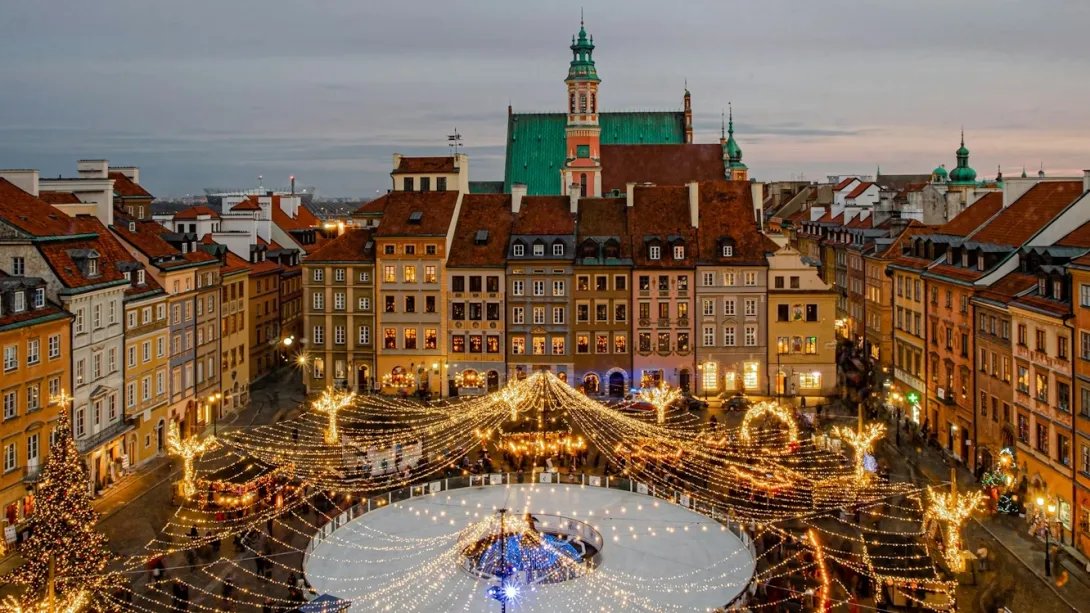
The corridor between Warsaw and Berlin offers numerous worthwhile detours that reward travelers willing to venture beyond the highway. Łódź, Poland's third-largest city, presents a compelling first major stop approximately 130 kilometers from Warsaw. Once a textile manufacturing powerhouse, Łódź has reinvented itself as a cultural hub, with Piotrkowska Street—one of Europe's longest commercial thoroughfares—serving as its vibrant backbone. The city's Manufaktura complex, a converted 19th-century factory, now houses museums, restaurants, and shopping venues. Continuing westward, Poznań emerges as perhaps the most significant intermediate destination. This historical city, situated roughly halfway between the two capitals, boasts a meticulously restored Old Market Square featuring colorful merchant houses and the iconic Town Hall with its mechanical goats that butt heads daily at noon. Poznań's Cathedral Island (Ostrów Tumski) contains Poland's first cathedral, dating to the 10th century. For those with additional time, the Kornik Castle and Rogalin Palace complex offer glimpses into Polish aristocratic life. Approaching the German border, the city of Frankfurt (Oder) provides a contrasting perspective as a divided city since World War II, with its eastern bank in Poland and western bank in Germany. The final stretch toward Berlin passes through Brandenburg's forested landscapes, where spontaneous stops at lakeside villages like Strausberg or historic towns like Bernau can provide refreshing breaks before reaching the urban intensity of Germany's capital.
Continue Your Adventure
Frequently Asked Questions
What is the approximate driving duration between Warsaw and Berlin without stops?
The direct drive typically takes between 5.5 and 6.5 hours under normal traffic conditions, covering approximately 575 kilometers (357 miles) via the A2/E30 highway. Factors like weather, construction, and border area traffic can extend this time.
Should I consider driving instead of taking the train for this journey?
Driving offers distinct advantages for travelers seeking flexibility to explore intermediate destinations at their own pace. While trains provide efficiency and avoid parking challenges in city centers, automobile travel enables spontaneous detours to smaller towns, natural sites, and cultural attractions not easily accessible by rail. The decision depends on whether your priority is direct transportation or exploratory travel.
What are the most notable attractions to visit between these two capitals?
Key intermediate attractions include Łódź's Piotrkowska Street and Manufaktura complex, Poznań's Old Market Square with its mechanical goats and Cathedral Island, the border cities of Frankfurt (Oder) and Słubice, and Brandenburg's forested landscapes with opportunities for lakeside stops. Architectural highlights range from medieval cathedrals to post-industrial adaptive reuse projects.
Can this journey be comfortably completed within a long weekend?
A three-day itinerary allows for a balanced experience with one night in Poznań and another near the border region. This timeframe accommodates meaningful exploration of primary destinations while keeping daily driving segments under three hours. Extending to four days provides opportunity for additional detours to castles, nature reserves, or smaller historical towns along the route.