
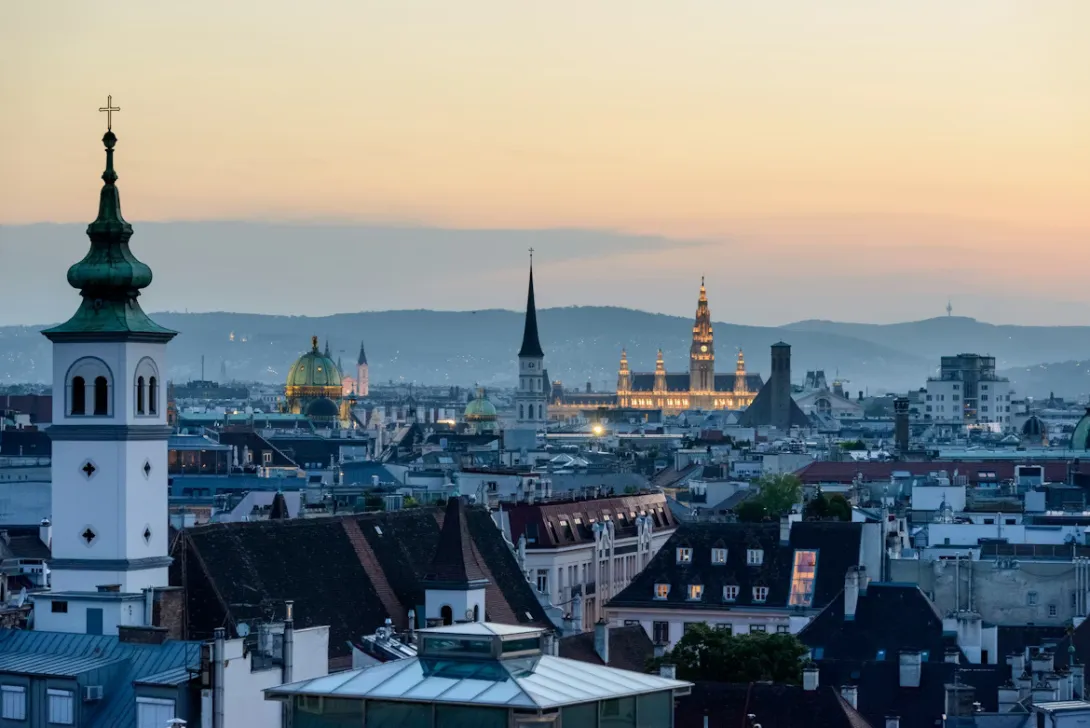
The Ultimate Cross-Continental Drive
Driving from Vienna to Istanbul represents one of Europe's most compelling road journeys, connecting the imperial elegance of Austria with the vibrant crossroads of Turkey. This approximately 1,500-kilometer route traverses seven countries, offering a remarkable transition from Central European architecture to Balkan landscapes and finally to the gateway between Europe and Asia. While the direct drive takes around 15-16 hours, the true value lies in the cultural and geographical diversity encountered along the way. This guide provides practical information for planning your journey, including essential stops, timing considerations, and route logistics.
Route Planning and Practical Details
| Route Segment | Approximate Distance | Driving Time | Border Crossings |
|---|---|---|---|
| Vienna to Budapest | 245 km | 2.5 hours | Austria-Hungary |
| Budapest to Belgrade | 375 km | 4 hours | Hungary-Serbia |
| Belgrade to Sofia | 380 km | 5 hours | Serbia-Bulgaria |
| Sofia to Istanbul | 550 km | 6-7 hours | Bulgaria-Turkey |
| Total Distance: Approximately 1,550 km (963 miles) Total Driving Time: 15-16 hours without stops Countries: Austria, Slovakia, Hungary, Serbia, Bulgaria, Turkey Primary Route: E75/E80 highway system | |||
Border crossing times can vary significantly, particularly at the Bulgaria-Turkey border where waits of 1-3 hours are common during peak travel periods. Ensure your vehicle documents, insurance (Green Card), and any required vignettes (for Hungary and Bulgaria) are in order. The journey spans multiple time zones with Turkey being one hour ahead of Central European Time during standard periods.
Essential Destinations Along the Route
While the direct Vienna to Istanbul drive is possible in two long days, the most rewarding approach incorporates strategic stops that showcase regional highlights. Budapest, just 2.5 hours from Vienna, offers thermal baths and Danube views that make it an obvious first major stop. Continuing south, Novi Sad in Serbia provides a more relaxed alternative to Belgrade with its Petrovaradin Fortress and Danube promenade. Belgrade itself warrants exploration for its fortress confluence of the Sava and Danube rivers and vibrant nightlife.
In Bulgaria, Plovdiv's Roman amphitheater and Ottoman architecture offer a compelling detour from the main highway, while the Rila Monastery provides a spiritual and architectural highlight in the mountains southwest of Sofia. For those interested in how to find the best stops and hidden gems between cities, consider exploring smaller towns like Szentendre north of Budapest or Niš in southern Serbia with its Roman and Ottoman history.
The final approach to Istanbul brings its own attractions, with Edirne's Selimiye Mosque offering a magnificent Ottoman architectural preview before reaching the Bosphorus. Each country along the route presents distinct culinary traditions, from Hungarian goulash and Serbian ćevapi to Bulgarian banitsa and Turkish kebabs, making gastronomy an integral part of the journey.
Condensed Three-Day Journey Plan
A three-day Vienna to Istanbul itinerary requires substantial daily driving but allows for meaningful exploration of key destinations.
Day one covers Vienna to Belgrade (approximately 6.5 hours driving), with stops in Budapest for lunch and a brief visit to the Castle District or Parliament. Overnight in Belgrade provides evening exploration of Skadarlija or Kalemegdan Fortress.
Day two involves Belgrade to Plovdiv (approximately 5.5 hours), with potential stops at Niš for its Skull Tower and early Ottoman history or a brief visit to Sofia's Alexander Nevsky Cathedral if taking a slight detour. Plovdiv's Old Town offers well-preserved Ottoman houses and Roman ruins for evening exploration.
The final day from Plovdiv to Istanbul (approximately 4.5 hours) includes Edirne's Selimiye Mosque before crossing into Turkey and reaching Istanbul. This schedule requires early starts and focused driving but delivers a comprehensive cross-section of the route's cultural offerings. For travelers with more time, extending to 5-7 days allows for deeper exploration of each major city and additional regional attractions.
Continue Your Adventure
Frequently Asked Questions
How long does it take to drive from Vienna to Istanbul?
The direct driving time from Vienna to Istanbul is approximately 15-16 hours without stops, covering around 1,550 kilometers. This assumes optimal traffic conditions and border crossings. Most travelers complete the journey in 2-3 days with overnight stops, while those wanting to explore destinations along the route typically take 5-7 days.
Is driving from Vienna to Istanbul worth the effort?
Driving from Vienna to Istanbul offers significant advantages for travelers seeking cultural immersion and flexibility. The journey provides a tangible sense of geographical and cultural transition from Central Europe to the edge of Asia, with opportunities to explore destinations often missed by air travel. Considerations include border crossing times, varying road conditions in some sections, and the commitment to long driving days. For those with limited time, flying may be more practical, but the road trip delivers a unique experience of gradual cultural transition.
What are the best stops between Vienna and Istanbul?
Key stops include Budapest for its thermal baths and Danube views, Belgrade for its fortress and nightlife, Sofia for its Orthodox architecture, and Plovdiv for Roman and Ottoman history. Secondary highlights include Novi Sad's Petrovaradin Fortress, Niš's Ottoman monuments, and Edirne's Selimiye Mosque. Natural attractions include the Danube River throughout Hungary and Serbia, and the Balkan Mountains in Bulgaria.
Can I realistically drive from Vienna to Istanbul in 3 days?
A Vienna to Istanbul itinerary completed in 3 days is achievable but requires substantial daily driving (5-7 hours) with limited exploration time. The most efficient routing typically includes overnight stops in Belgrade and either Sofia or Plovdiv, allowing brief visits to Budapest and perhaps one other major destination. This schedule works best for travelers primarily focused on reaching Istanbul while experiencing a highlights overview, rather than those seeking in-depth cultural immersion.
What should I know about things to do between Vienna and Istanbul?
Activities vary significantly by region: in Hungary, visit thermal baths and explore castle districts; in Serbia, experience fortress views and traditional kafanas; in Bulgaria, explore Orthodox monasteries and Roman ruins; approaching Istanbul, Ottoman architecture becomes predominant. Culinary experiences progress from Central European to Balkan to Turkish traditions. Practical activities include purchasing country-specific highway vignettes, exchanging currencies (Euro, Hungarian Forint, Serbian Dinar, Bulgarian Lev, Turkish Lira), and verifying border crossing requirements.