
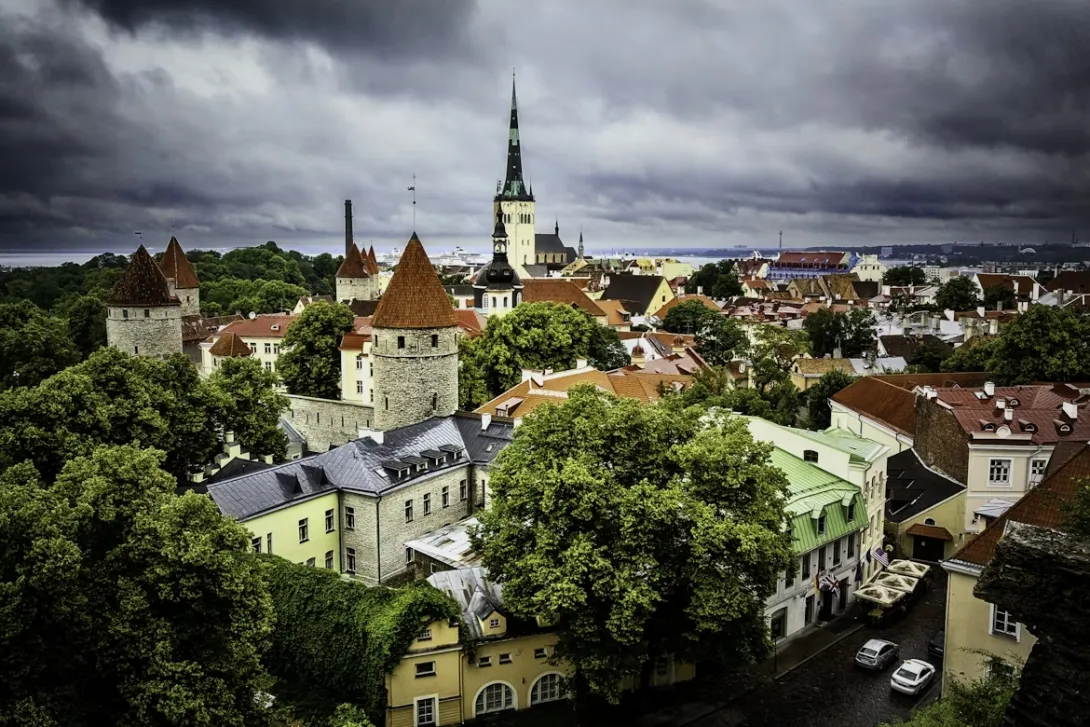
The Baltic Sea Crossing
The Tallinn-Helsinki route spans approximately 85 kilometers across the Gulf of Finland, but the driving distance becomes 360 kilometers when following the coastal road through Estonia and Finland. This crossing has been a vital trade route since the 13th century, when Tallinn (then Reval) and Helsinki (then Helsingfors) were both under Swedish rule. Today, the most common method involves a 2-hour ferry crossing between the capitals, with Tallink Silja and Viking Line operating multiple daily departures from Tallinn's Terminal A to Helsinki's West Harbour. The alternative land route requires driving north from Tallinn on the E55 highway to the port of Paldiski, then taking a ferry to Hanko, Finland, before continuing on Finnish roads to Helsinki. This combination of sea and road travel creates a unique driving experience distinct from typical continental road trips.
Coastal Points of Interest
When taking the coastal route from Tallinn to Helsinki, several locations merit consideration for breaks or exploration. Starting from Tallinn, the Keila-Joa waterfall, located 30 kilometers west of the city just off the E55, provides a natural stopping point with walking paths around the 6-meter cascade. Continuing toward Paldiski, the Pakri Peninsula offers coastal cliffs and the remains of Soviet military installations, accessible via a 2-kilometer detour from the main road. The Paldiski port area itself has limited amenities but serves as the departure point for the Hanko ferry.
Upon reaching Finnish territory at Hanko, this southernmost town in mainland Finland features the Hanko Casino building (now a restaurant) and coastal promenades. The drive north on Road 51 passes through the town of Karjaa, where the 15th-century St. Catherine's Church presents medieval stone architecture. Approximately 40 kilometers from Helsinki, the Sipoonkorpi National Park offers forest trails and the Sipoonlahti bay area for those seeking natural surroundings before reaching the capital. These locations represent some of the best stops Tallinn to Helsinki when opting for the coastal driving route rather than the direct ferry crossing.
Route Logistics and Practical Details
| Route Option | Total Distance | Total Time | Key Roads/Crossings | Notes |
|---|---|---|---|---|
| Direct Ferry | 85 km (sea) | 2-2.5 hours | Tallinn Terminal A to Helsinki West Harbour | Most efficient option; vehicles loaded on ferries |
| Coastal Drive with Ferry | 360 km total | 6-7 hours | E55 to Paldiski, ferry to Hanko, Road 51 to Helsinki | Includes 4.5 hours driving plus ferry crossing |
| Full Land Route | Approx 1,100 km | 12+ hours | E67 through Latvia and Lithuania, E75 through Sweden | Only practical with multiple overnight stops |
For the coastal route, begin on Tallinn's Pärnu maantee (E67/E265) heading west, then transition to the E55 toward Paldiski. This 48-kilometer drive takes about 45 minutes. The Linda Line ferry from Paldiski to Hanko operates seasonally with a 4.5-hour crossing. From Hanko, take Road 51 north for 130 kilometers (approximately 1.5 hours) to Helsinki. Vehicle reservations are essential for all ferry crossings, especially during summer months. Finnish roads are generally well-maintained, with speed limits of 80-100 km/h on rural roads and 120 km/h on motorways. Estonia uses the euro, while Finland uses the euro, eliminating currency exchange concerns. For planning assistance with route selection, consider this resource on how to find the best stops and hidden gems between cities.
A Three-Day Travel Plan
This Tallinn to Helsinki itinerary 3 days allows for thorough exploration while maintaining reasonable driving segments.
Day 1 begins in Tallinn with departure at 9:00 AM via the E55 highway toward Paldiski. Stop at Keila-Joa waterfall (45 minutes), then continue to Paldiski for the 1:00 PM ferry to Hanko (4.5-hour crossing). Arrive in Hanko by 5:30 PM, check into accommodation, and explore the waterfront area.
Day 2 involves driving from Hanko to Helsinki via Road 51, departing at 10:00 AM. Stop in Karjaa to visit St. Catherine's Church (1 hour), then continue to Sipoonkorpi National Park for afternoon hiking (2 hours). Arrive in Helsinki by 4:00 PM, check into accommodation, and visit the Suomenlinna sea fortress via local ferry.
Day 3 focuses on Helsinki, including the Temppeliaukio Church (Rock Church), Market Square, and the Design District. This schedule balances driving time with activities, answering the question of things to do between Tallinn and Helsinki while providing adequate time in both capitals.
The total driving time across three days amounts to approximately 4.5 hours, with 7 hours of ferry travel. This pace allows for consideration of whether is it worth driving Tallinn to Helsinki versus taking the direct ferry. The coastal route provides terrestrial continuity and access to intermediate locations, while the direct ferry maximizes time in the destination cities. Accommodation options include hotels in Hanko and Helsinki, with camping available at Sipoonkorpi National Park during summer months. Advance booking for both ferry crossings and accommodations is recommended, particularly from June through August.
Continue Your Adventure
Frequently Asked Questions
How long to drive Tallinn to Helsinki?
The direct ferry crossing takes 2-2.5 hours. The coastal driving route with ferry from Paldiski to Hanko requires approximately 6-7 hours total: 45 minutes from Tallinn to Paldiski, 4.5 hours ferry crossing, and 1.5 hours from Hanko to Helsinki. The full land route through Latvia, Lithuania, and Sweden exceeds 12 hours of driving.
What are the main route options?
Three primary options exist: 1) Direct ferry from Tallinn to Helsinki (2-2.5 hours), 2) Coastal drive with ferry from Paldiski to Hanko (6-7 hours total), 3) Full land route through Latvia, Lithuania, and Sweden (12+ hours). Most travelers choose options 1 or 2.
When is the best time for this trip?
May through September offers the most favorable conditions, with longer daylight hours and generally calm sea conditions for ferry crossings. July and August are peak months with more frequent ferry schedules. Winter travel is possible but subject to weather disruptions, particularly for ferry services.
What documents are required?
A valid passport is required for border crossing between Estonia and Finland. Both countries are in the Schengen Area, so passport checks are minimal. Drivers need a valid license from their home country. International driving permits are recommended but not mandatory for most visitors. Vehicle registration and insurance documents should be carried.