
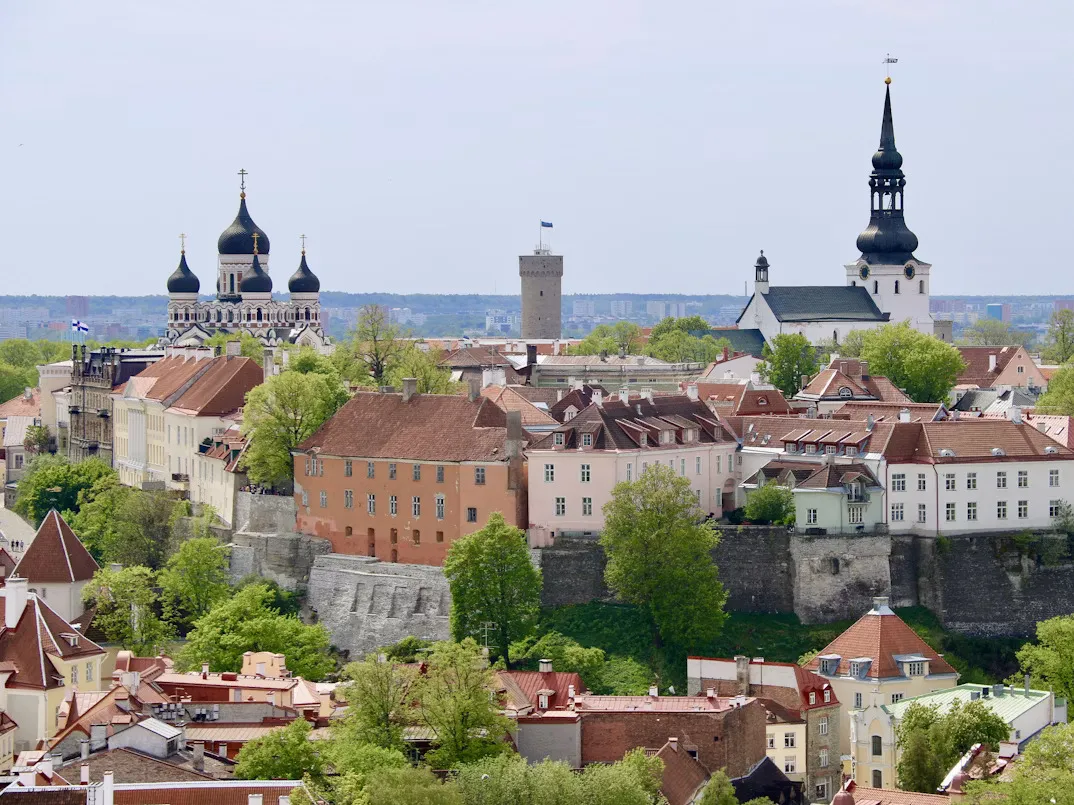
The Baltic Coastal Route
The E67 highway, known as Via Baltica, connects Tallinn to Gdansk along a corridor that was once part of the Hanseatic League trade network. This 580-kilometer route follows the southern coast of the Baltic Sea, passing through three countries with distinct driving regulations: Estonia requires daytime running lights year-round, Latvia enforces strict speed limits in residential areas, and Poland uses extensive automated speed cameras. The road surface quality varies significantly, with Estonia's well-maintained E67 giving way to occasional rough patches in Latvia before improving again in Poland. This drive crosses the 57th parallel north, meaning summer days stretch to 18 hours of daylight while winter trips require preparation for limited visibility and potential ice. The journey typically takes 7-8 hours of pure driving time, but the real value comes from exploring what lies between these historic port cities.
Three-Day Coastal Journey
This Tallinn to Gdansk itinerary 3 days allows thorough exploration while maintaining reasonable driving distances.
Day 1: Depart Tallinn at 8 AM via the E67, reaching Pärnu by 9:30 AM. Visit the Pärnu Museum (€5) and walk the beach promenade. Drive to Riga (2 hours), arriving by 2 PM. Explore the Art Nouveau district around Alberta iela and dinner at Folkklubs Ala Pagrabs. Overnight in Riga.
Day 2: Leave Riga by 9 AM, stopping at Jūrmala's beach (30 minutes). Continue to Liepāja (3 hours), arriving by 1 PM. Visit St. Anne's Church with its wooden altar and the Karosta prison. Drive to Klaipėda (1.5 hours), crossing into Lithuania. Evening walk through the Old Town's theater square.
Day 3: Take the 9 AM ferry to Curonian Spit (€30 round trip with car). Hike to Parnidis Dune for views of the Baltic. Return to mainland by 1 PM, drive to Gdansk (3 hours). Arrive by 4 PM to see St. Mary's Church and Long Market. This schedule covers 6-8 hours of driving daily with 4-6 hours for activities. Things to do between Tallinn and Gdansk vary by season: summer offers beach time while winter provides Christmas markets and thermal spas.
Coastal Discoveries
Between Tallinn and Gdansk, several locations merit extended visits. Pärnu, Estonia's summer capital, features a 3-kilometer beach promenade and preserved Art Nouveau architecture along Rüütli Street. The city's mud baths have operated since 1838. In Latvia, Riga's Central Market occupies five former Zeppelin hangars and offers smoked fish, local cheeses, and amber jewelry. Just south, Jūrmala's 33-kilometer beach has distinctive wooden cottages with carved details. Liepāja's Karosta district contains a former Soviet naval prison now open for tours. Lithuania's Curonian Spit, accessible via ferry from Klaipėda, has shifting sand dunes reaching 60 meters in height. The Hill of Witches in Juodkrantė displays 80 wooden sculptures from Lithuanian folklore. Poland's Malbork Castle, located 60 kilometers south of Gdansk, is the world's largest brick castle by land area. These are among the best stops Tallinn to Gdansk for those seeking variety beyond highway travel.
Route Planning Essentials
| Segment | Distance | Driving Time | Highway | Border Crossings |
|---|---|---|---|---|
| Tallinn to Pärnu | 130 km | 1.5 hours | E67 | None |
| Pärnu to Riga | 130 km | 1.5 hours | A1/E67 | Estonia-Latvia |
| Riga to Liepāja | 200 km | 2.5 hours | A9 | None |
| Liepāja to Klaipėda | 110 km | 1.5 hours | E77 | Latvia-Lithuania |
| Klaipėda to Gdansk | 190 km | 2.5 hours | A1 | Lithuania-Poland |
Total distance: approximately 760 km via coastal route. Fuel costs average €120-150 depending on vehicle. All three countries use the euro except Poland (Polish złoty). Required documents include valid driver's license, vehicle registration, and insurance (Green Card). Consider whether it's worth driving Tallinn to Gdansk versus flying: the road trip offers flexibility to visit multiple destinations, but requires more time and planning. For detailed route planning, see our guide on how to find the best stops and hidden gems between cities.
Continue Your Adventure
Frequently Asked Questions
How long to drive Tallinn to Gdansk without stops?
Direct driving time is 7-8 hours via the E67/A1 highways covering approximately 580 kilometers. This assumes no traffic delays and efficient border crossings. In practice, add 1-2 hours for fuel stops, meals, and potential queues at the Latvia-Lithuania and Lithuania-Poland borders.
What are the essential things to do between Tallinn and Gdansk?
Key experiences include: Pärnu's beach promenade, Riga's Central Market and Art Nouveau architecture, Liepāja's former Soviet naval prison, Klaipėda's ferry to Curonian Spit, and Malbork Castle (detour required). Each offers distinct cultural and historical perspectives on the Baltic region.
Is it worth driving Tallinn to Gdansk versus flying?
Driving is preferable for travelers wanting to visit multiple destinations, control their schedule, and transport equipment. Flying takes 1.5 hours plus airport time but misses intermediate locations. The road trip adds 2-3 days but provides access to coastal towns, national parks, and cultural sites not reachable by air.
What should I know about border crossings?
There are two EU internal borders: Estonia-Latvia (usually no checks) and Latvia-Lithuania (occasional spot checks). The Lithuania-Poland border has been part of Schengen since 2007, so passport checks are rare. Always carry vehicle documents, insurance (Green Card), and be prepared for possible customs declarations if transporting significant goods.
When is the best time for this road trip?
May through September offers the most reliable weather with temperatures of 15-25°C and up to 18 hours of daylight. July-August are peak tourist months with higher accommodation costs. October-April sees shorter days (6-10 hours of light), potential snow, and some seasonal attractions closed, but offers fewer crowds and winter activities.