
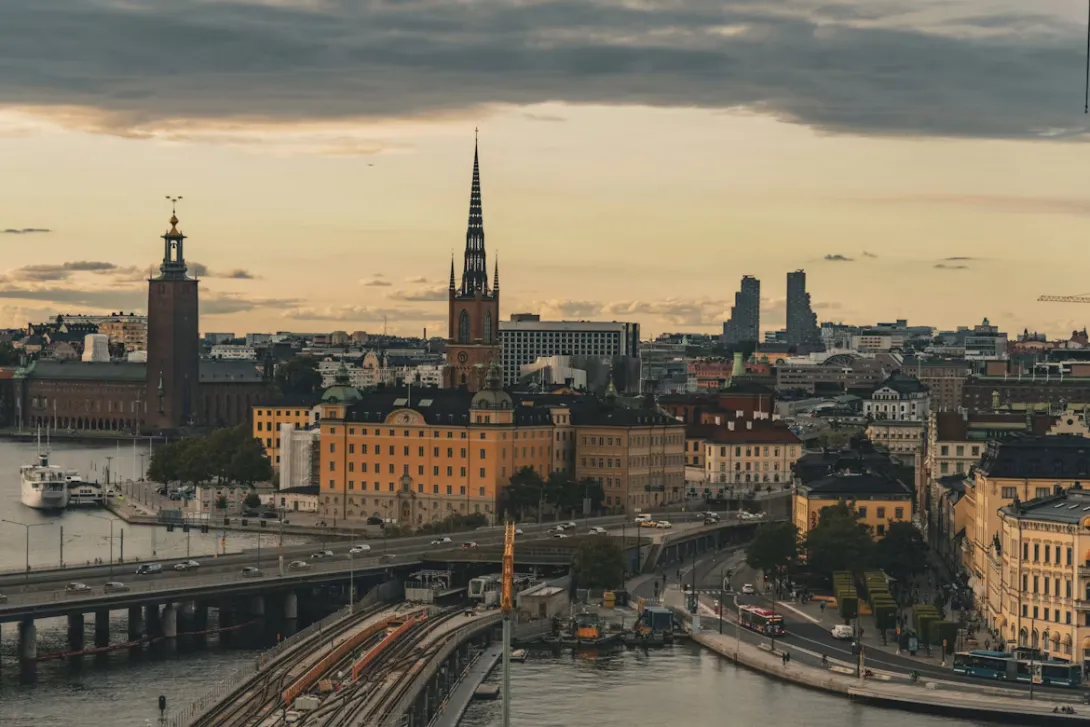
The Stockholm-Berlin Corridor
The Stockholm to Berlin route follows ancient Baltic trade paths where Hanseatic merchants once transported amber and timber. Today's drivers cover approximately 1,100 kilometers across three distinct geological zones: the Swedish archipelago's granite bedrock, the glacial plains of northern Germany, and the terminal moraine landscapes of Brandenburg. The journey requires crossing the Öresund Bridge, a 16-kilometer engineering achievement that connects Sweden to continental Europe, with tolls costing 440 SEK for standard vehicles. Drivers should note that Swedish E4 highway sections between Stockholm and Malmö feature frequent elk warning signs—approximately 4,500 vehicle-elk collisions occur annually in Sweden, with dawn and dusk posing particular risks. This route offers more than highway transit; for those seeking to optimize their journey, consider how to find the best stops and hidden gems between cities to enhance your travel experience.
Route Planning and Practical Details
| Segment | Highway | Distance | Driving Time | Key Notes |
|---|---|---|---|---|
| Stockholm to Malmö | E4 | 615 km | 6h 30m | Swedish speed limits: 110 km/h (highway), 70 km/h (rural) |
| Öresund Crossing | E20 | 16 km bridge/tunnel | 20 min | Toll: 440 SEK, electronic payment available |
| Copenhagen to Hamburg | E47/E45 | 320 km | 3h 45m | German autobahn sections without speed limits |
| Hamburg to Berlin | A24 | 255 km | 2h 30m | Toll-free in Germany, construction common |
| Total Route | E4/E20/E47/A24 | 1,100 km | 13h 5m | Excluding stops, border checks, traffic |
Border formalities are minimal within the Schengen Area, though random customs checks occur. Sweden uses the krona (SEK), while Germany and Denmark use euros. Fuel costs average 18.50 SEK/liter in Sweden and 1.85€/liter in Germany. Winter driving (November-March) requires snow tires in Sweden and Germany; studded tires are permitted in Sweden until March 31. Ferries provide alternative crossings: Trelleborg-Rostock (6 hours) or Gedser-Rostock (2 hours), adding maritime options to the land route.
Recommended Route Interruptions
Between Stockholm and Berlin, several locations merit extended visits. Malmö's Turning Torso, Scandinavia's tallest residential building at 190 meters, offers panoramic views of the Öresund Strait. The structure's 90-degree twist creates unique architectural perspectives. Copenhagen's Assistens Cemetery, where Hans Christian Andersen and Søren Kierkegaard rest, provides tranquil pathways through historical memorials. North of Hamburg, the Stade Altstadt preserves 17th-century Hanseatic warehouses along the Schwinge River; the salt museum in the former customs house details the commodity that built the region's wealth. For motorists, the Rasthaus Wittenberge on A24 serves exceptional Thüringer rostbratwurst at reasonable autobahn prices. Lübeck's Holstentor gate, constructed from glazed bricks in 1478, marks the western boundary of the medieval Hanseatic League. These selected interruptions transform the Stockholm to Berlin drive from mere transit to a sequence of distinct experiences.
Three-Day Travel Schedule
Day 1: Depart Stockholm at 8:00 AM via E4 south. Stop at Gränna after 2 hours (200 km) for traditional polkagris peppermint candy at Grenna Polkagriskokeri. Continue to Jönköping for lunch at Stadshotellet's restaurant overlooking Lake Vättern. Drive 3 more hours to Malmö, arriving by 5:00 PM. Visit Malmöhus Castle (admission 40 SEK) before overnight accommodation. Total driving: 6 hours.
Day 2: Cross Öresund Bridge at 9:00 AM (20 minutes, 440 SEK toll). In Copenhagen, park at Israels Plads and walk to Rosenborg Castle (open 10:00-16:00, 110 DKK). Drive south on E47 at 2:00 PM, reaching Hamburg by 6:00 PM. Evening at St. Pauli district. Driving: 4 hours.
Day 3: Depart Hamburg at 9:00 AM via A24. Stop at Ludwigslust Palace (11:00 AM, free gardens) for 90 minutes. Continue to Potsdam, arriving by 2:00 PM for Sanssouci Palace tour (15€, book ahead). Final 40-minute drive to Berlin center by 5:00 PM. Driving: 3.5 hours. This Stockholm to Berlin itinerary 3 days balances movement with substantive visits.
Continue Your Adventure
Frequently Asked Questions
How long does it take to drive from Stockholm to Berlin?
Direct driving time averages 13 hours and 5 minutes covering 1,100 kilometers via E4, E20, E47, and A24 highways. With reasonable stops for meals and fuel, most drivers complete the journey in 14-16 hours. The trip can be comfortably divided over 2-3 days with overnight stops in Malmö and Hamburg.
Is driving from Stockholm to Berlin worthwhile compared to flying?
Driving offers advantages that air travel cannot match: transporting bulky equipment, flexible scheduling, and experiencing geographical transitions. The land route reveals changing landscapes from Swedish forests to German plains, with opportunities to visit intermediate locations like medieval Lübeck or coastal Malmö. Cost comparison shows driving expenses (approximately 200€ in fuel plus 50€ bridge toll) often exceed budget airline fares (typically 80-150€), but provide door-to-door convenience without airport transfers.
What are the essential things to do between Stockholm and Berlin?
Key activities include crossing the Öresund Bridge between Sweden and Denmark, exploring Copenhagen's Rosenborg Castle collections, visiting Hamburg's Speicherstadt warehouse district (UNESCO site), and stopping at Ludwigslust Palace gardens. Practical experiences include tasting Swedish polkagris candy in Gränna, trying Danish smørrebrød in Copenhagen, and sampling northern German marzipan in Lübeck. The route also passes significant engineering sites like the Fehmarn Belt tunnel construction zone.