
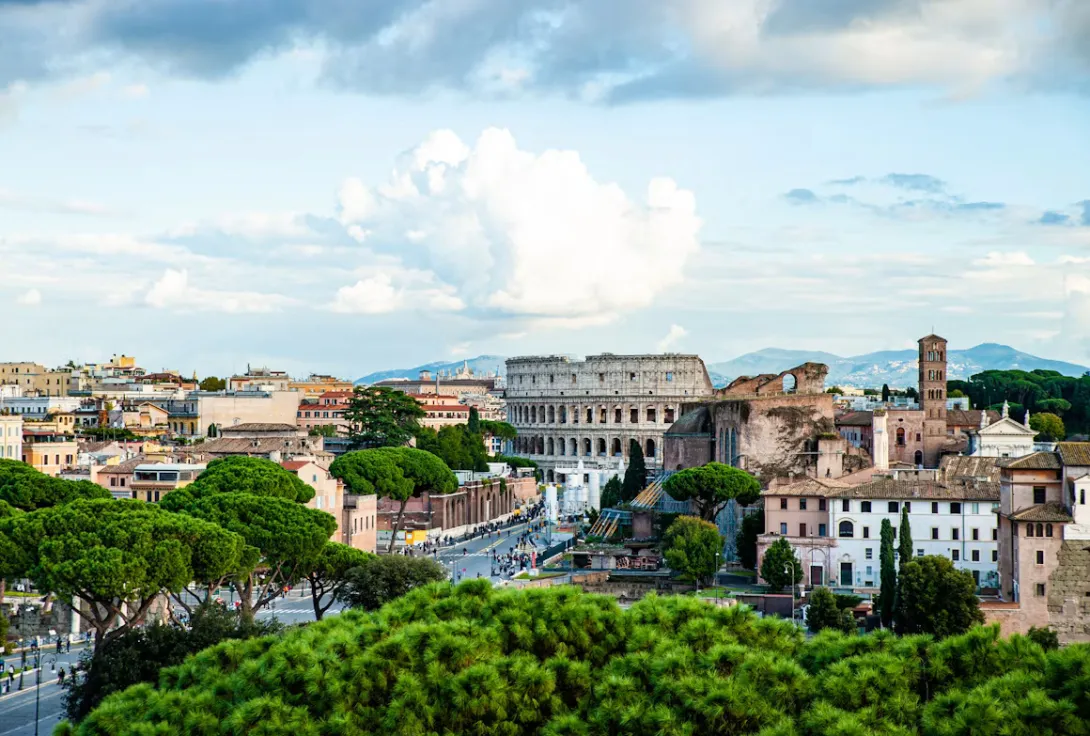
Introduction: The Tiber to the Adriatic
Did you know that the Via Flaminia, built in 220 BC, roughly traces the modern A1 and E45 route connecting Rome to Rimini? This ancient consular road was engineered to move legions northwards; today, it carries travelers from the heart of Lazio to the sandy shores of the Adriatic in about 4 hours.
The drive covers 350 kilometers (217 miles) of diverse Italian landscape. Starting from Rome's Grande Raccordo Anulare (GRA), you'll merge onto the A1 Autostrada del Sole. After Orte, you switch to the E45 (also known as the Via Flaminia highway) which winds through the Apennines towards the coast.
For those planning this trip, understanding the how to find the best stops and hidden gems between cities is key. The route is famous for its sudden elevation changes—from the Tiber Valley at 20m to the Apennine passes exceeding 500m—making weather and driving conditions variable.
Is it worth driving Rome to Rimini? Absolutely: the journey offers medieval hill towns, olive groves, and progressive culinary surprises. The best stops Rome to Rimini include historic Umbrian towns and the Republic of San Marino, a microstate perched on Mount Titano.
| Segment | Highway | Distance (km) | Est. Time |
|---|---|---|---|
| Rome to Orte | A1 | 65 | 50 min |
| Orte to Terni | E45 | 70 | 1h 10min |
| Terni to Perugia | E45 | 65 | 1h 05min |
| Perugia to Cesena | E45 | 100 | 1h 40min |
| Cesena to Rimini | A14 | 30 | 25 min |
Route Logistics and Infrastructure
The A1 from Rome to Orte is a modern three-lane highway with a speed limit of 130 km/h. Toll costs for this segment are approximately €6.50 for a standard car. After Orte, the E45 is a two-lane expressway with variable limits (90-110 km/h) and no tolls, making it a cost-effective alternative to the Autostrada.
Fuel stations are abundant along the A1 (every 20-30 km), but on the E45, they cluster near major exits like Terni and Perugia. Plan refueling before leaving the A1 or at these hubs. Diesel averages €1.75/L, gasoline €1.90/L.
- Total driving time: 4 hours (non-stop) but budget 6-7 hours with stops.
- Recommended stops: Terni (waterfalls), Spoleto (Roman aqueduct), Perugia (chocolate), San Marino (microstate).
- Parking: Most hill towns have paid parking outside the historic centers (€1-2/hour). Rimini offers beachside parking (€15/day summer).
How long to drive Rome to Rimini? Actual driving is about 4 hours, but with traffic near Rome, add 30-60 minutes. Summer weekends see congestion on the E45 near Terni due to tourist traffic. For real-time updates, use the Autostrade per l'Italia app.
The route is well-maintained; however, the E45 has narrow sections and tunnels that require caution, especially in rain. Headlights are mandatory in tunnels. Winter tires are required from November 15 to April 15.
Road Safety, Family Stops, and Fatigue Management
Infrastructure safety: The A1 is among Italy's safest highways with frequent emergency phones and speed cameras. The E45 has higher accident rates due to sharper curves and less forgiving barriers. Drive defensively, especially on descents. Use engine braking to avoid brake fade near Spoleto where gradients reach 6%.
Rest zones: Autogrill and Chef Express are on the A1 with playgrounds, clean toilets, and decent cappuccino. On the E45, independent services like 'Area di Servizio' near Terni offer local pastries. Take a break every 2 hours; the Orte exit has a well-maintained 'Ristop' with free Wi-Fi.
- Family suitability: 6/10. Kids will enjoy Marmore Falls and San Marino's cable car. But long stretches on E45 may bore. Bring tablets and snacks.
- Pet-friendly framework: Many highway services allow leashed dogs in outdoor areas. Some historic centers (e.g., Perugia) have limited pet access; check local rules.
- Fatigue management: Use coffee bars at services or pack energy drinks. Avoid driving between 2-4pm when drowsiness peaks.
Culinary infrastructure: The E45 corridor is rich with 'trattorie' and 'agriturismi' just off exits. Near Terni, try 'ciriole' (handmade pasta). Around Perugia, porchetta sandwiches from street vendors. In Rimini, piadina with squacquerone cheese is a must. For fine dining, reserve at La Madonnina del Pescatore near Senigallia (30 min south of Rimini).
Local commerce: Ceramics from Deruta are sold at factory outlets (20% off retail). Outlet shopping also near Valdichiana (A1 exit) for fashion brands. Gas stations often sell local honey and olive oil, perfect as souvenirs.
Natural Landscapes, UNESCO Sites, and Local Commerce
The A1 segment offers flat Tiber Valley views with distant Sabine hills. Once on the E45, the landscape transforms into the rugged Umbrian Apennines. Near Terni, the Marmore Falls (Cascata delle Marmore) is a 165m man-made waterfall created by the Romans. A short detour (5 km from E45 exit) leads to this natural spectacle.
UNESCO World Heritage Sites en route include the historic center of San Gimignano (slight detour), but closer are the Etruscan necropolises of Cerveteri and Tarquinia (near Rome). In Umbria, the Basilica of Saint Francis in Assisi (UNESCO) is a 15-minute drive from the E45. Rimini itself has the Augustus Arch and Tiberius Bridge, part of the historic center.
- Best stops Rome to Rimini for nature: Marmore Falls, Lake Trasimeno (near Perugia), Monte Catria (hiking).
- Local commerce: Perugia's chocolate shops (Perugina factory), Deruta ceramics, olive oil from Trevi.
- Umbrian wine: Sagrantino di Montefalco (DOCG) available at wineries near Foligno.
Climatic conditions vary: Rome's Mediterranean climate gives way to continental weather in the Apennines. Summer (June-August) sees 30°C+ on the coast, but mountain passes are 5-10°C cooler. Autumn offers vibrant foliage, winter brings snow above 500m, and spring has wildflowers. The route aesthetics peak in October with golden vineyards and misty valleys.
Hidden off-route spots include the ghost town of Calomini (abandoned village), the Frasassi Caves (giant karst caves), and Gradara Castle (perfectly preserved medieval fortress). These require short detours of 10-30 minutes.
Continue Your Adventure
- Durbuy Maribor Road Trip Belgium Slovenia Germany Austria Road Trip Guide
- Gstaad Stresa Road Trip Alps Lakes Road Trip Guide
- Boulogne Sur Mer Grindelwald Scenic Road Trip Guide Road Trip Guide
- Athlone Enniskillen Road Trip Guide Hidden Gems Road Trip Guide
- Meissen Rye Road Trip Dresden Sussex Historic Routes Road Trip Guide
Frequently Asked Questions
What is the fastest route from Rome to Rimini?
The fastest route is via A1 to Orte, then E45 to Cesena, then A14 to Rimini. Total driving time about 4 hours without traffic. Tolls on A1 and A14 segments cost approximately €6.50 + €3.00.
Is it worth driving Rome to Rimini?
Yes, driving gives flexibility to explore ancient towns, waterfalls, and the microstate of San Marino. The scenic E45 through the Apennines offers more character than the train.
What are the best stops between Rome and Rimini?
Top stops include Cascata delle Marmore (Terni), Assisi (UNESCO), Perugia's historic center, and San Marino. For nature, Lake Trasimeno and Frasassi Caves are excellent detours.
How long does it take to drive from Rome to Rimini?
Driving non-stop takes about 4 hours. With stops for meals, sightseeing, and breaks, plan for 6-8 hours. Summer traffic near Rome and Cesena can add 30-60 minutes.
Is the E45 safe to drive?
The E45 is generally safe but requires caution due to narrower lanes, sharp curves, and occasional fog. Maintain moderate speed in poor weather. The A1 is safer but tolled.
Are there pet-friendly stops on the route?
Yes, many highway services allow dogs in outdoor areas. Some historic centers allow leashed pets, but check in advance. Agriturismi often welcome pets.
What is the best time of year for this road trip?
Spring (April-May) and autumn (September-October) offer mild weather and beautiful scenery. Summer can be hot and crowded; winter may bring snow on the E45 passes.