
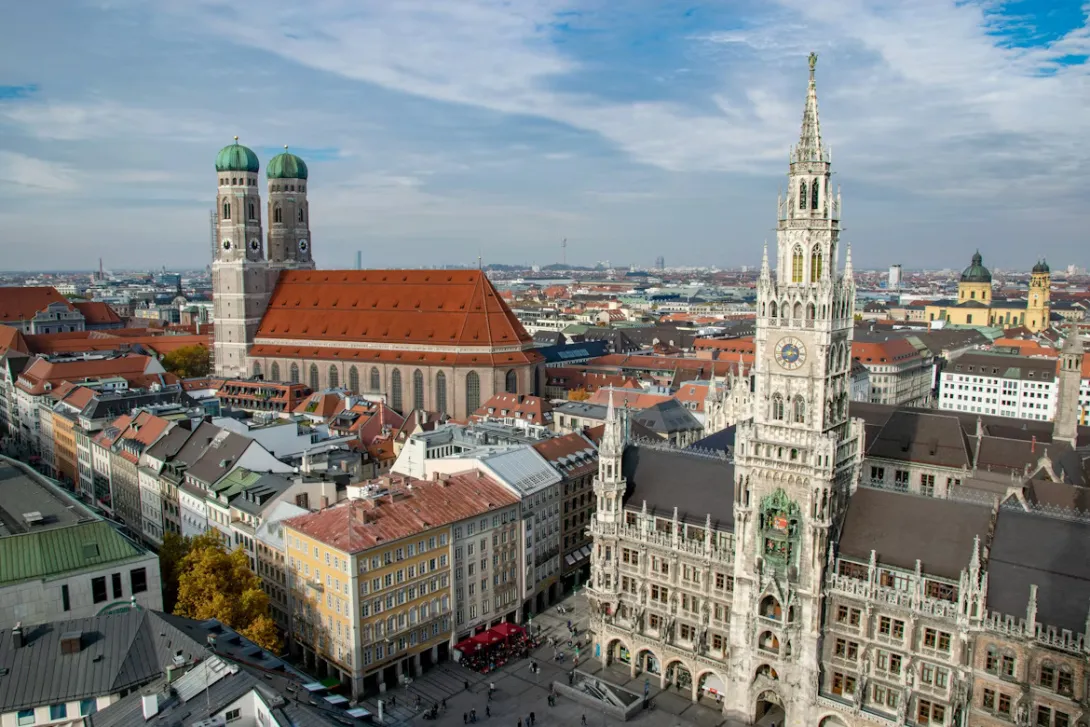
Embarking on a European Road Adventure
The journey from Munich to Rome represents one of Europe's most rewarding road trips, connecting two iconic cities through diverse landscapes and cultural treasures. This approximately 1,000-kilometer route traverses Germany, Austria, and Italy, offering travelers the opportunity to experience Alpine majesty, historic cities, and Mediterranean charm in a single journey. While many visitors opt for flights or trains between these destinations, the road trip alternative provides unparalleled flexibility to explore regions often missed by conventional travel. The drive takes you through Bavaria's rolling hills, across the formidable Brenner Pass, and down Italy's historic Via del Brennero, culminating in the Eternal City's timeless splendor. This guide provides comprehensive information for planning your Munich to Rome road adventure, including essential logistics, recommended stops, and practical considerations for making the most of your journey.
A Three-Day Road Trip Schedule
For travelers with limited time, a three-day Munich to Rome itinerary provides a balanced introduction to the route's highlights while maintaining a reasonable pace. This schedule assumes an early start each day and focuses on key destinations without excessive driving.
Day One begins in Munich with departure by 8:00 AM, heading southeast on the A8 toward Austria. The first stop is Innsbruck (approximately 2 hours), where you can spend the morning exploring the historic Old Town, visiting the Hofburg Palace, and taking the Hungerburg funicular for mountain views. After lunch featuring Tyrolean specialties, continue south through the Brenner Pass to Bolzano (about 1.5 hours). In Bolzano, visit the South Tyrol Museum of Archaeology to see Ötzi, then stroll through the bilingual city center. Overnight in Bolzano or nearby Trento.
Day Two starts with a drive to Verona (approximately 2 hours). Spend the morning at Verona's Roman Arena and Juliet's House, then enjoy lunch in Piazza delle Erbe. Depart for Florence in the early afternoon (about 2.5 hours), arriving with time to visit the Duomo complex and Ponte Vecchio before dinner in the Oltrarno district. Overnight in Florence.
Day Three allows for a morning in Florence—visit the Uffizi Gallery (reservations essential) or climb Giotto's Bell Tower for city views. Depart Florence by early afternoon for the final leg to Rome (approximately 3.5 hours). Arrive in Rome in time for an evening passeggiata through Trastevere and dinner at a traditional trattoria. This condensed itinerary demonstrates that even with limited time, the drive from Munich to Rome can incorporate significant cultural experiences while answering common questions about things to do between Munich and Rome through strategic planning.
Essential Route Planning Information
| Route Segment | Distance | Approximate Driving Time | Primary Roads |
|---|---|---|---|
| Munich to Innsbruck | 160 km | 2 hours | A8, A12 |
| Innsbruck to Bolzano | 120 km | 1.5 hours | A13, A22 |
| Bolzano to Verona | 150 km | 2 hours | A22 |
| Verona to Florence | 250 km | 3 hours | A22, A1 |
| Florence to Rome | 280 km | 3.5 hours | A1 |
| Total (Direct) | 960 km | 9-10 hours | Multiple highways |
The direct driving time from Munich to Rome typically ranges between 9 to 10 hours without stops, covering approximately 960 kilometers via the most efficient highway route. However, this journey is rarely undertaken as a single-day drive, as doing so would miss the remarkable destinations along the way. The route primarily follows the A8 from Munich to the Austrian border, then transitions to Austria's A12 and A13 highways before crossing into Italy via the Brenner Pass. From there, Italy's A22 and A1 highways provide the main arteries southward. Travelers should account for seasonal variations—winter conditions can significantly impact travel times through Alpine regions, particularly around the Brenner Pass, where snow chains may be required between November and March. Summer months bring heavier traffic, especially around popular tourist destinations and during Italian holiday periods. Toll costs vary by country: Germany's highways are generally toll-free for passenger cars, Austria requires a vignette (toll sticker) for highway use, and Italy employs a distance-based toll system on most major highways. For those seeking to optimize their journey beyond the obvious highway exits, understanding how to find the best stops and hidden gems between cities can transform a simple transit into a memorable exploration.
Essential Destinations Along the Route
The Munich to Rome corridor offers numerous worthwhile stops that showcase Central Europe's diversity. Innsbruck, Austria's Tyrolean capital, sits approximately two hours from Munich and provides a perfect first major stop. The city combines Imperial history with Alpine accessibility—visit the Golden Roof (Goldenes Dachl), the Hofburg Imperial Palace, and take the Nordkette cable car for panoramic mountain views. Continuing south, the Brenner Pass marks the Italy-Austria border at 1,374 meters elevation, offering dramatic scenery and historical significance as a major Alpine crossing since Roman times. Bolzano, the gateway to the Dolomites, features a unique blend of Austrian and Italian cultures, with the South Tyrol Museum of Archaeology housing Ötzi the Iceman as its star attraction. Trento, with its well-preserved historic center and Buonconsiglio Castle, offers Renaissance architecture against a mountain backdrop. Verona, immortalized by Shakespeare's Romeo and Juliet, boasts a remarkably intact Roman arena still used for performances, plus Juliet's balcony and Piazza delle Erbe's vibrant market. Florence requires no introduction as the cradle of the Renaissance, with the Uffizi Gallery, Duomo, and Ponte Vecchio demanding at least a full day's exploration. Siena, slightly off the direct route but worth the detour, presents medieval perfection in its shell-shaped Piazza del Campo and stunning cathedral. Orvieto, perched on volcanic tuff, features one of Italy's most magnificent cathedrals and extensive underground tunnels. Each of these destinations offers distinct cultural, historical, and culinary experiences that collectively answer the question of whether it's worth driving Munich to Rome—the journey itself becomes the destination when approached with curiosity and time.
Continue Your Adventure
Frequently Asked Questions
What is the total driving distance and time from Munich to Rome?
The most direct highway route covers approximately 960 kilometers (600 miles). Without stops, driving time typically ranges between 9 to 10 hours under normal conditions, though this can vary with traffic, weather, and border crossings.
Should I consider driving instead of flying or taking the train?
Driving offers advantages for travelers seeking flexibility, access to smaller towns, and the ability to control their schedule. It becomes particularly worthwhile if you have time to explore destinations along the route. Flying is faster for reaching Rome directly, while trains offer comfort but limited stopover opportunities.
What are the main costs associated with this road trip?
Primary expenses include fuel (approximately €150-€200 depending on vehicle), tolls (Austrian vignette around €10 for 10 days, Italian highway tolls approximately €50-€70), accommodation, meals, and attraction entry fees. Winter travel may require additional costs for snow chains or tires.
Are there any special driving requirements for this international route?
Drivers need a valid license (EU licenses are accepted; others may require an International Driving Permit), vehicle registration documents, and proof of insurance. Austria requires a vignette toll sticker for highway use, available at border stations. Winter months may mandate snow chains in Alpine areas.
What is the best time of year to undertake this journey?
Late spring (May-June) and early autumn (September-October) offer ideal conditions with mild weather, fewer crowds, and generally clear roads. Summer provides long daylight hours but brings heavier traffic and higher temperatures. Winter offers snowy landscapes but requires preparation for mountain driving conditions.