
Introduction
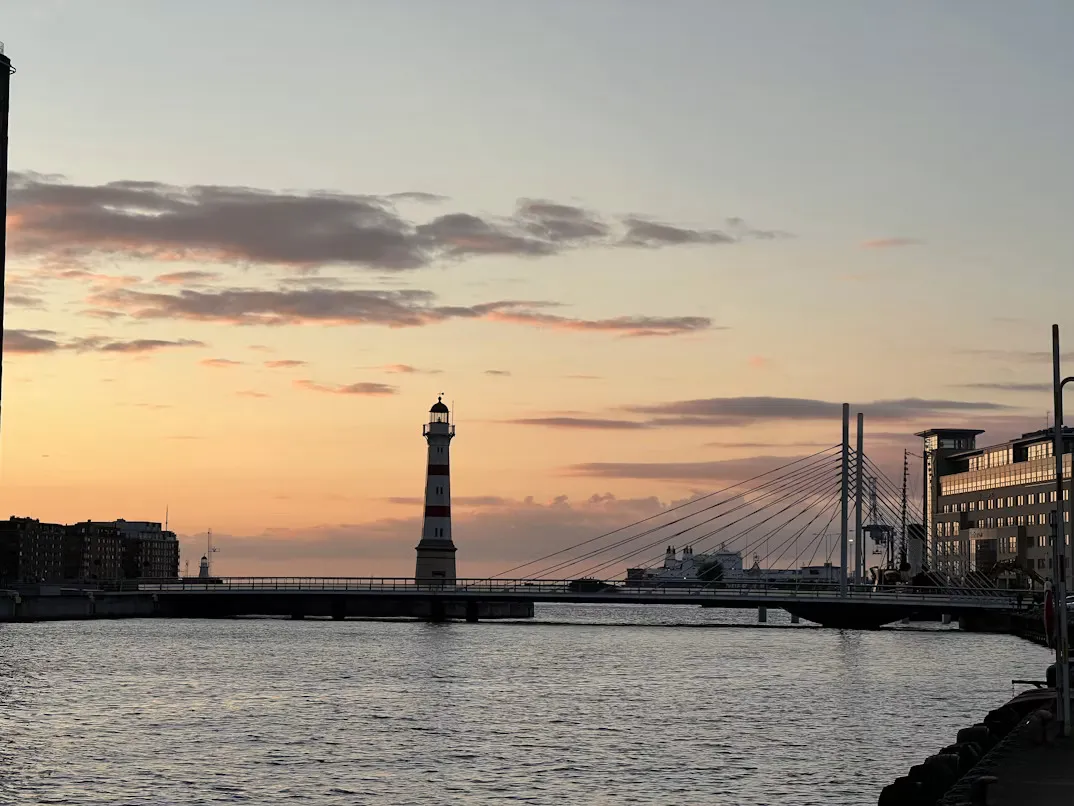
The Øresund Bridge connecting Malmo to Copenhagen carries over 7 million vehicles annually, making this crossing the busiest international bridge in Scandinavia. From this engineering marvel, the drive to Krakow spans approximately 1,100 kilometers through four countries, following the E55 and E65 highways that trace medieval trade routes between the Baltic and Central Europe. This route offers more than highway miles—it's a chance to experience changing landscapes from Swedish coastal plains to Polish highlands, with urban centers and rural areas in between. For those planning this trip, understanding the practical aspects like how long to drive Malmo to Krakow and where to pause makes the difference between a simple transit and a memorable experience. This guide provides concrete details for travelers considering whether it's worth driving Malmo to Krakow, including specific road information, timing estimates, and recommended pauses.
A Three-Day Travel Plan
This Malmo to Krakow itinerary 3 days balances driving with exploration.
Day 1: Depart Malmo early, cross the Øresund Bridge, and spend midday in Copenhagen. Visit Rosenborg Castle (housing crown jewels) or take a canal tour. Drive 190 km to Gedser for the evening ferry to Rostock. Sleep in Rostock or continue 50 km to Güstrow.
Day 2: Drive 240 km to Berlin, arriving by late morning. Park at Potsdamer Platz and explore Brandenburg Gate, Reichstag dome (advance registration required), or the Topography of Terror documentation center. After lunch, drive 200 km to the Polish border, stopping at the Muskau Park UNESCO site (straddling Germany and Poland). Continue to Wroclaw for overnight.
Day 3: Morning in Wroclaw's Market Square, seeing the Gothic Town Hall and searching for dwarf statues. Drive 270 km to Krakow via the A4, arriving by late afternoon. This schedule maintains reasonable driving segments of 4-6 hours daily with meaningful pauses. Adjust based on ferry schedules and personal interests.
Recommended Pauses and Activities
Between Malmo and Krakow, numerous worthwhile pauses break the journey. Copenhagen deserves at least half a day: visit the Round Tower observatory (built 1642) for city views, or walk through the Assistens Cemetery where Hans Christian Andersen rests. The Danish capital's Nyhavn district, with its 17th-century waterfront houses, offers dining options. In Germany, Berlin's Museum Island (five museums on one island) requires planning but provides cultural depth. For quicker stops, the Spreewald biosphere reserve south of Berlin features canals and traditional punting tours. Wroclaw, Poland's fourth-largest city, contains over 300 dwarf statues scattered through its streets—a modern art project with historical references. The Centennial Hall, a UNESCO site built in 1913, showcases early reinforced concrete architecture. For those with extra time, the Książ Castle near Walbrzych (30 km from A4) presents a complex history from medieval times through WWII. These places to do between Malmo and Krakow provide variety beyond highway travel.
Route Logistics and Practical Information
| Segment | Distance | Estimated Drive Time | Primary Roads | Border Crossings |
|---|---|---|---|---|
| Malmo to Copenhagen | 35 km | 40 minutes | E20, Øresund Bridge | Sweden-Denmark (bridge toll) |
| Copenhagen to Gedser (ferry) | 190 km | 2 hours 15 minutes | E47, E55 | None |
| Rostock to Berlin | 240 km | 2 hours 30 minutes | A19, A24 | Germany (ferry arrival) |
| Berlin to Wroclaw | 350 km | 3 hours 45 minutes | A12, A4 | Germany-Poland |
| Wroclaw to Krakow | 270 km | 3 hours | A4 | None |
The total driving time without stops is approximately 12-13 hours, spread over two days minimum. The Øresund Bridge requires a toll (approximately 55 EUR for standard vehicles). The Gedser-Rostock ferry operates multiple times daily with a 1 hour 45 minute crossing; booking in advance is recommended, especially in summer. German autobahns have sections without speed limits but frequent construction zones. Polish highways require a vignette (e-toll) for vehicles over 3.5 tons; passenger cars need no vignette but must pay at toll gates on A1 and A2. Fuel costs vary significantly: Denmark and Germany are most expensive, Poland most affordable. For finding interesting pauses along this route, consider using how to find the best stops and hidden gems between cities as a resource for planning detours.
Continue Your Adventure
Frequently Asked Questions
How long to drive Malmo to Krakow?
The pure driving time is approximately 12-13 hours without stops, covering about 1,100 kilometers. With the Gedser-Rostock ferry crossing (1 hour 45 minutes) and border formalities, plan for 14-15 hours of total transit time. Most travelers complete the journey over 2-3 days with overnight stops.
Is it worth driving Malmo to Krakow?
Driving offers flexibility to visit multiple locations en route that flights bypass. The cost comparison: fuel and tolls total approximately 200-250 EUR one-way for a standard car, plus ferry costs (80-120 EUR). This compares favorably with flights when considering baggage and transport from airports. The terrestrial journey reveals geographical transitions and cultural variations not visible from air.
What are the best stops Malmo to Krakow?
Key pauses include Copenhagen for its historic center, Berlin for museums and monuments, and Wroclaw for its architectural mix and dwarf statue hunt. Smaller worthwhile detours include the Spreewald wetlands south of Berlin and Książ Castle in Poland. Each offers distinct experiences from Scandinavian design to Central European history.
What things to do between Malmo and Krakow?
Activities range from urban exploration in capital cities to natural experiences. In Copenhagen, canal tours provide perspective. Berlin's Memorial to the Murdered Jews of Europe offers contemplation. Poland's Lower Silesia region has underground tourist routes in former mines. The variety allows tailoring to interests from architecture to outdoor recreation.