
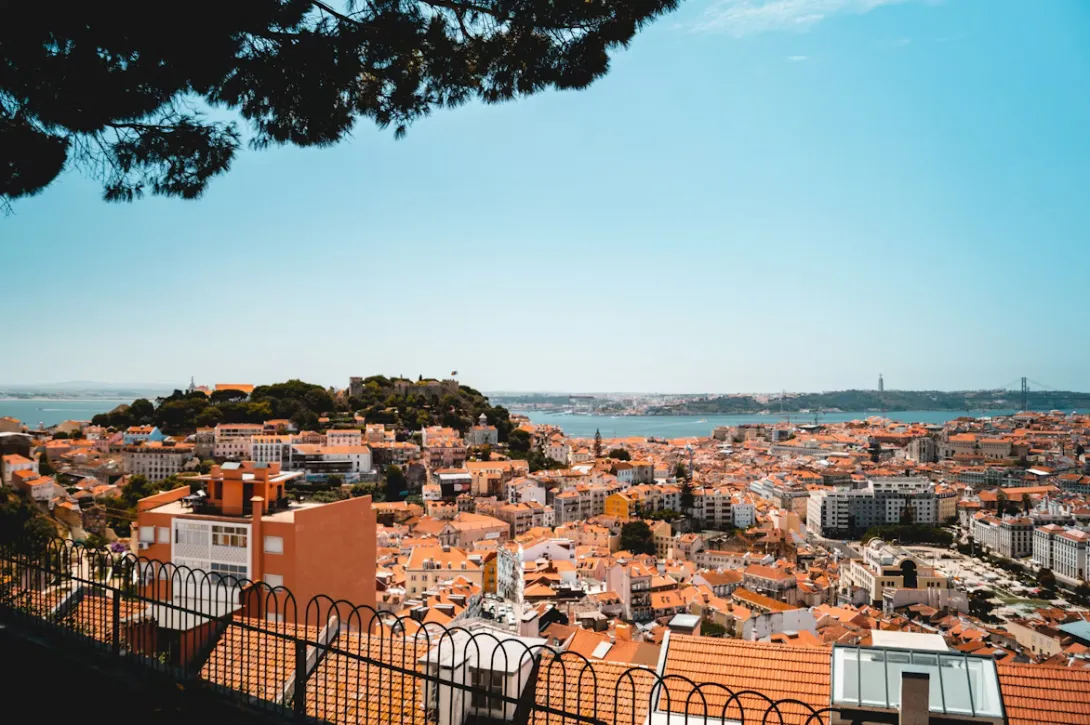
Embarking on a European Cross-Continent Journey
Driving from Lisbon to Berlin represents one of Europe's most ambitious and rewarding road trips, spanning approximately 2,800 kilometers across Portugal, Spain, France, and Germany. This journey connects two of Europe's most culturally distinct capitals—Lisbon's sun-drenched hills and maritime heritage with Berlin's gritty history and avant-garde energy. While the direct drive takes around 26 hours of pure driving time, the true value lies in the diverse landscapes, historical sites, and cultural experiences encountered along the way. This guide provides practical logistics, recommended stops, and itinerary options to help you determine if this drive is worth undertaking and how to maximize your experience.
Essential Destinations Along the Lisbon-Berlin Corridor
The best stops Lisbon to Berlin offer a remarkable cross-section of European geography and culture. Starting in Lisbon, consider exploring Sintra's palaces before heading east. In central Spain, Salamanca's golden sandstone university buildings and Plaza Mayor provide a stunning midday break. Burgos offers Gothic architecture at its cathedral, while San Sebastián presents Basque culinary excellence along the coast—a worthwhile detour if time permits.
Crossing into France, Bordeaux's wine country invites exploration, though the city itself makes an excellent overnight stop with its 18th-century architecture. Poitiers provides Romanesque churches and Futuroscope theme park for families. Paris needs little introduction, but consider exploring lesser-known arrondissements if you've visited before. Reims offers champagne cellars and cathedral history before entering Germany.
In Germany, the Rhine Valley between Mainz and Koblenz features castle-dotted landscapes perfect for a scenic drive or river cruise. Frankfurt serves as Germany's financial hub with modern skysrapers contrasting with reconstructed medieval buildings. Leipzig offers musical heritage and recent cultural renaissance, while Potsdam's palaces and gardens make a fitting prelude to Berlin. To discover more about selecting these destinations, consider reading our guide on how to find the best stops and hidden gems between cities.
When considering things to do between Lisbon and Berlin, focus on regional specialties: port tasting in Porto (though slightly off-route), tapas in Madrid, wine in Bordeaux, champagne in Reims, and beer in Berlin. Historical sites range from Roman aqueducts in Segovia to World War memorials across Germany.
Optimizing Your Time: A Three-Day Driving Schedule
A Lisbon to Berlin itinerary 3 days requires disciplined driving with strategic overnight stops. This compressed schedule focuses on covering distance while incorporating meaningful experiences.
Day 1: Lisbon to Bordeaux (Approximately 13 hours driving with stops)
Depart Lisbon early, crossing the Spanish border via Badajoz. Consider a brief stop in Mérida for Roman ruins or Cáceres for medieval architecture. Continue to Salamanca for lunch and cathedral viewing. Drive north through Valladolid to Burgos for a late afternoon cathedral visit. Continue into France, arriving in Bordeaux for overnight. This represents the longest driving day.
Day 2: Bordeaux to Frankfurt (Approximately 10 hours driving)
Depart Bordeaux, driving northeast through the Loire Valley (brief stop possible at Château de Chambord if time allows). Continue to Orléans, then take A10 toward Paris. Bypass Paris via the périphérique unless stopping is essential. Continue east to Reims for champagne region exploration and cathedral visit. Cross into Germany, arriving in Frankfurt for overnight.
Day 3: Frankfurt to Berlin (Approximately 7 hours with Rhine Valley detour)
Depart Frankfurt, driving north to Mainz. Follow the Rhine River along B9 or A61 toward Koblenz, viewing castles like Marksburg. Continue northeast via Cologne (brief stop at cathedral possible) or directly via A3/A2. Consider a stop in Leipzig for afternoon exploration before final drive to Berlin, arriving evening.
This itinerary demonstrates that while driving Lisbon to Berlin in three days is physically possible, it leaves limited time for exploration. Most travelers will prefer 5-7 days minimum to properly experience the route.
Planning Your Route: Distances and Practical Considerations
| Segment | Approximate Distance | Driving Time (No Stops) | Primary Routes |
|---|---|---|---|
| Lisbon to Madrid | 625 km | 6 hours | A-6, AP-6 |
| Madrid to Bordeaux | 780 km | 7.5 hours | A-62, A-10 |
| Bordeaux to Paris | 585 km | 5.5 hours | A-10 |
| Paris to Frankfurt | 570 km | 5.5 hours | A-4, A-3 |
| Frankfurt to Berlin | 550 km | 5 hours | A-5, A-2 |
| Total | ~2,800 km | ~26 hours | Multiple highways |
Border crossings between Schengen Area countries are typically seamless, but always carry your passport, driver's license, vehicle registration, and proof of insurance. Tolls are extensive in Portugal, Spain, and France—budget approximately €200-300 for the entire journey. Fuel costs vary significantly by country, with Germany typically being most expensive. Consider renting a vehicle with good fuel economy, as this trip involves substantial highway driving. For those wondering how long to drive Lisbon to Berlin without stops, plan for at least three full days of driving if covering the distance directly.
Continue Your Adventure
Frequently Asked Questions
What is the total driving distance and time from Lisbon to Berlin?
The total driving distance is approximately 2,800 kilometers (1,740 miles). Without stops, driving time averages 26-30 hours depending on traffic, road conditions, and border crossings. Most travelers complete the journey in 3-7 days with overnight stops.
Should I attempt this drive or consider alternative transportation?
Whether driving is worthwhile depends on your priorities. The drive offers unparalleled geographic and cultural transitions, roadside discoveries, and flexibility. However, it requires significant time, planning, and budget for fuel, tolls, and accommodations. For those primarily interested in reaching Berlin efficiently, flying or taking trains may be more practical. The drive is recommended for travelers seeking a comprehensive European road experience with time for exploration.
What are the most scenic sections of the route?
Key scenic areas include Portugal's Alentejo plains, Spain's Castilian meseta around Salamanca, France's Loire Valley châteaux country, Germany's Rhine River valley between Mainz and Koblenz (with its castle-lined hills), and the forested landscapes approaching Berlin. Coastal detours to San Sebastián or Biarritz add dramatic Atlantic views.
What documentation do I need for this international drive?
Required documents include a valid passport, driver's license (EU licenses are accepted throughout; non-EU licenses may require an International Driving Permit), vehicle registration, proof of insurance (Green Card recommended), and credit cards for tolls. Rental vehicles should have cross-border authorization. While Schengen Area borders typically have minimal checks, always carry documentation.
When is the best time of year to make this journey?
Late spring (May-June) and early autumn (September-October) offer optimal conditions with moderate temperatures, fewer tourists, and generally good weather. Summer months bring heat, especially in Spain and southern France, plus increased traffic and accommodation prices. Winter driving requires preparation for potential snow in central France and Germany, though southern sections remain mild.