
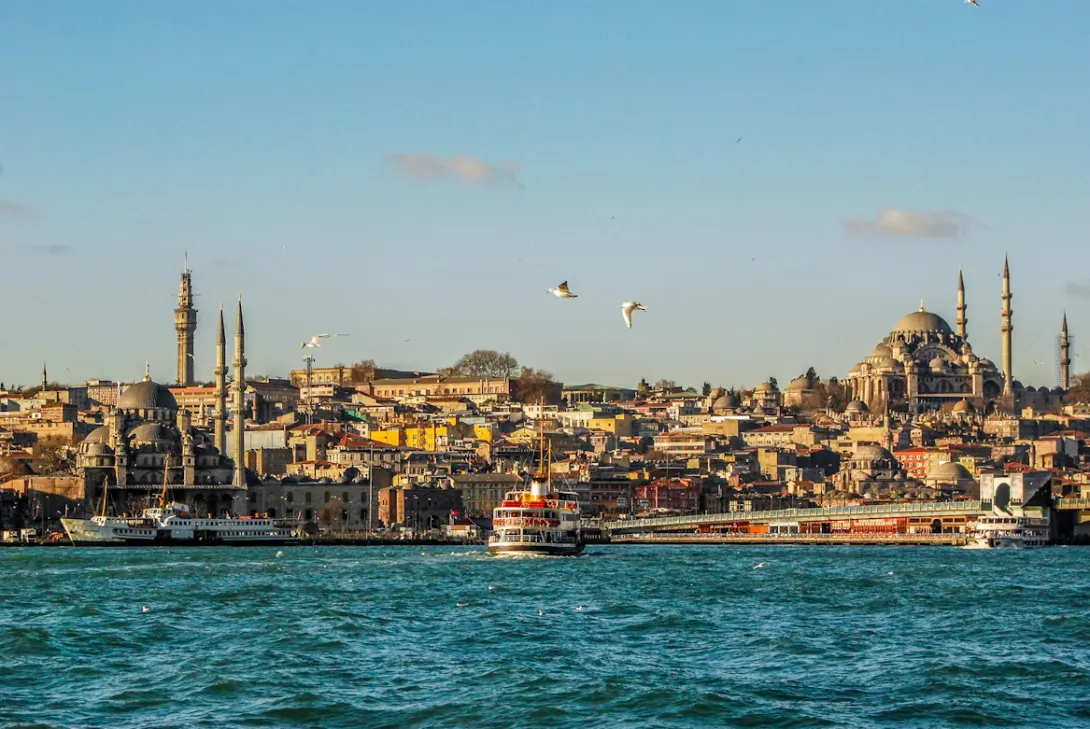
Crossing Continents by Car
The Istanbul to Paris drive spans approximately 2,800 kilometers, crossing from Asia into Europe via the 15 July Martyrs Bridge (formerly the Bosphorus Bridge) in Turkey. This route follows parts of the historic Roman road network and later the Via Militaris, connecting Constantinople to Western Europe. Modern drivers will navigate a mix of Turkish highways like the O-3 and O-7, Bulgarian and Serbian stretches of the E80, Hungarian sections of the E75, Austrian segments of the A1, and German and French autoroutes like the A4 and A4, ultimately reaching Paris. The journey typically requires 28-32 hours of pure driving time, not accounting for stops, border crossings, or rest. For those planning this continental traverse, understanding the practical aspects—such as vignette requirements in Austria and Switzerland, toll costs in France, and the specific documents needed for non-EU vehicles—is as crucial as selecting points of interest. This guide provides concrete details to help you prepare, including specific road names, estimated driving durations, and notable locations along the way. Planning a drive of this scale benefits from strategic thinking about pauses; our article on how to find the best stops and hidden gems between cities offers methods to identify worthwhile detours beyond the main highway.
A Condensed Three-Day Schedule
For travelers with limited time, a three-day itinerary from Istanbul to Paris is intense but feasible, focusing on driving efficiency with brief stops. This schedule assumes an early start each day and prioritizes major highways.
Day 1: Istanbul to Belgrade. Start early from Istanbul (e.g., 6:00 AM). Drive via the O-3 and E80 to Edirne (approx. 3 hours), perhaps a quick pause. Continue on the E80 into Bulgaria, passing Sofia (consider a short break for fuel and food). Cross into Serbia and proceed to Belgrade. Total driving: about 11-12 hours. Overnight in Belgrade.
Day 2: Belgrade to Munich. Depart Belgrade early. Take the E75 north, crossing into Hungary. Bypass Budapest or stop briefly for a view of the Parliament from the riverbank. Continue into Austria on the A4, passing Vienna (possible short rest stop). Enter Germany and drive to Munich. Total driving: approximately 10-11 hours. Overnight in Munich.
Day 3: Munich to Paris. Leave Munich, taking the A8 towards Stuttgart, then the A5 towards Karlsruhe. Cross into France at Strasbourg (a potential quick stop to see the cathedral exterior). Continue on the French A4 autoroute directly to Paris. Total driving: around 8-9 hours. Arrive in Paris by evening. This Istanbul to Paris itinerary 3 days is demanding, with daily drives of 8-12 hours. It requires preparedness for long stints behind the wheel, familiarity with toll systems, and tolerance for minimal sightseeing time. For a more relaxed experience with deeper exploration, adding extra days is advisable. The things to do between Istanbul and Paris on this accelerated schedule are necessarily limited to roadside facilities and fleeting impressions of city skylines.
Route Logistics and Practical Details
| Segment | Key Highways | Approx. Distance | Driving Time | Notes |
|---|---|---|---|---|
| Istanbul to Edirne (TR) | O-3, E80 | 240 km | 3 hours | Turkish toll roads; cross into Bulgaria at Kapıkule. |
| Edirne to Sofia (BG) | E80 | 250 km | 3.5 hours | Bulgarian motorways; vignette required. |
| Sofia to Belgrade (RS) | E80, A1 | 380 km | 4.5 hours | Serbian toll roads; cross at Kalotina. |
| Belgrade to Budapest (HU) | E75, M5 | 380 km | 4 hours | Hungarian motorways; vignette required. |
| Budapest to Vienna (AT) | M1, A4 | 250 km | 2.5 hours | Austrian motorways; vignette required. |
| Vienna to Munich (DE) | A1, A8 | 440 km | 4 hours | German autobahns; some sections without speed limits. |
| Munich to Paris (FR) | A8, A4 | 860 km | 8 hours | French autoroutes; tolls apply; cross at Strasbourg. |
Total estimated driving distance: ~2,800 km. Total estimated driving time: 28-32 hours. This does not include stops, overnight rests, or potential delays at borders (especially between non-Schengen and Schengen countries). Essential preparations include: a valid driver's license (International Driving Permit recommended for non-EU licenses), vehicle insurance with Green Card for EU coverage, and necessary vignettes or toll payments for Austria, Switzerland (if routed via Zurich), and Hungary. Budget for fuel, tolls, and accommodations; fuel costs vary significantly by country. The best time for this drive is late spring to early autumn to avoid winter weather in mountainous regions like the Alps.
Recommended Intermediary Points
Breaking the Istanbul to Paris drive into segments with intentional pauses transforms it from a marathon into a series of manageable stages with distinct character. Here are specific locations to consider, with driving times from the previous major point. Edirne, Turkey: Just before the Bulgarian border, Edirne offers the Selimiye Mosque, a 16th-century Ottoman structure designed by Mimar Sinan. From Istanbul, it's about a 3-hour drive via the O-3 and E80. Sofia, Bulgaria: As Bulgaria's capital, Sofia features Alexander Nevsky Cathedral, a large Eastern Orthodox cathedral completed in 1912. From Edirne, expect around 3.5 hours on the E80. Belgrade, Serbia: Situated at the confluence of the Danube and Sava rivers, Belgrade's Kalemegdan Fortress provides views of the rivers. The drive from Sofia takes approximately 4.5 hours on the E80 and A1. Budapest, Hungary: The Hungarian capital is split by the Danube, with Buda Castle on one side and the Parliament building on the other. From Belgrade, it's roughly a 4-hour journey on the E75 and M5. Vienna, Austria: Known for its imperial architecture, Vienna's Schönbrunn Palace is a former summer residence of Habsburg rulers. The segment from Budapest is about 2.5 hours via the M1 and A4. Munich, Germany: In Bavaria, Munich's Marienplatz is the central square, home to the New Town Hall with its glockenspiel. Driving from Vienna takes around 4 hours on the A1 and A8. Strasbourg, France: Near the German border, Strasbourg's Gothic cathedral features an astronomical clock. From Munich, it's approximately 4 hours on the A8 and A5 before the final leg to Paris. Each stop offers a chance to rest, refuel, and experience a different cultural atmosphere. The decision on is it worth driving Istanbul to Paris often hinges on whether you value these terrestrial discoveries over the speed of air travel.
Continue Your Adventure
Frequently Asked Questions
How long does it take to drive from Istanbul to Paris?
The pure driving time is approximately 28 to 32 hours, covering around 2,800 kilometers. With reasonable stops for rest, fuel, and meals, the journey typically requires 3 to 5 days, depending on how many overnight breaks you take and how much time you spend at intermediary cities.
What are the essential documents for this road trip?
You will need: a valid passport, a driver's license (an International Driving Permit is recommended if your license is not from an EU country), vehicle registration documents, and proof of insurance with a Green Card for coverage in EU countries. Additionally, ensure you have the necessary vignettes (road tax stickers) for countries like Bulgaria, Hungary, Austria, and Switzerland if you pass through it.
What is the estimated cost for fuel and tolls?
Costs vary by vehicle and route choices. As a rough estimate, fuel for 2,800 km might cost between €300 and €500, depending on your car's efficiency and fuel prices in each country. Tolls and vignettes could add another €150 to €250, with France's autoroute tolls being a significant portion. Budget additionally for accommodations, food, and potential vehicle checks.
Are there any specific driving challenges to anticipate?
Yes. Be prepared for varying road conditions and driving styles across countries. Border crossings, particularly from Turkey into Bulgaria (non-EU to EU) and Serbia into Hungary (non-Schengen to Schengen), may involve checks and potential delays. Mountainous sections in Austria and Germany require attention to weather. Also, familiarize yourself with local traffic rules, such as vignette requirements and speed limits, which differ by nation.