
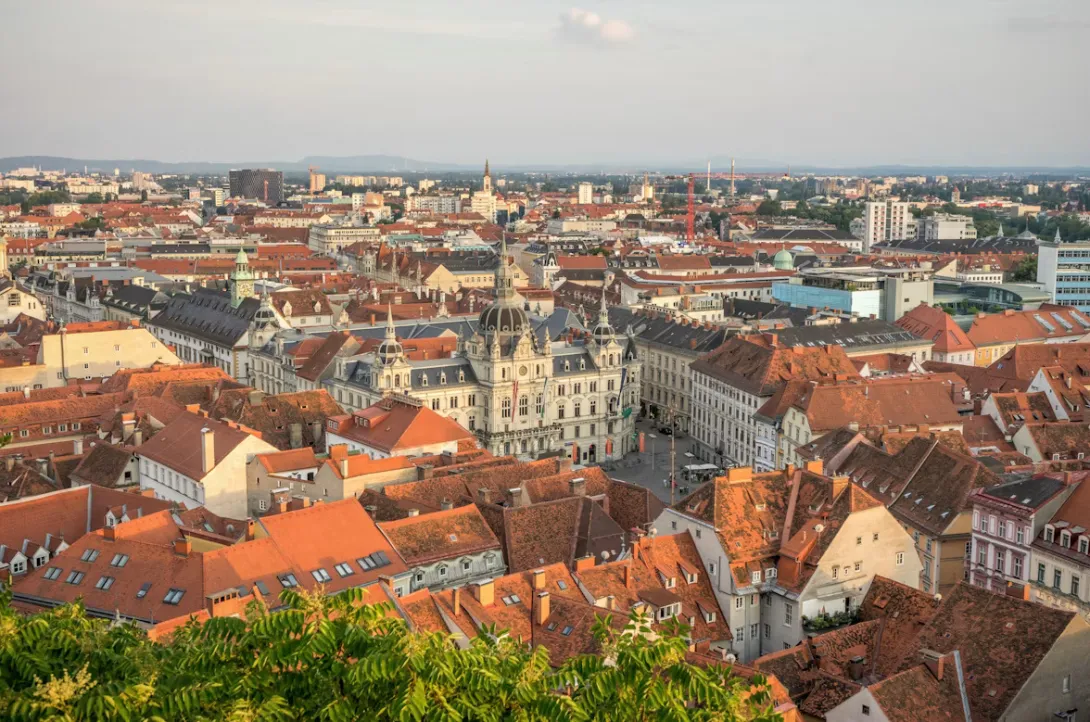
The A9 Corridor: From Styrian Hills to Bavarian Plains
The road from Graz to Munich follows a geological transition zone where the Eastern Alps meet the Alpine Foreland. This 380-kilometer route traces part of the ancient Roman road network that connected Aquileia with Augusta Vindelicorum (modern Augsburg). Today, drivers experience a noticeable change in terrain around Schladming, where steep limestone formations give way to rolling foothills. The A9 Pyhrn Autobahn, completed in sections between 1974 and 2004, engineered its way through this challenging topography with tunnels totaling over 15 kilometers. Local drivers know to watch for sudden weather shifts in the Enns Valley, where fog can reduce visibility dramatically within minutes. This isn't merely transportation between cities but a passage through distinct climatic zones, with Graz averaging 1,900 sunshine hours annually compared to Munich's 1,700.
Route Planning and Practical Details
| Segment | Route | Distance | Driving Time | Notes |
|---|---|---|---|---|
| Graz to Liezen | A9 | 95 km | 1 hour 10 minutes | Requires Austrian vignette; includes 3.2-km Bosruck Tunnel |
| Liezen to Salzburg | A9 to A10 | 145 km | 1 hour 40 minutes | Passes Lake Hallstatt area; toll section ends at Salzburg |
| Salzburg to Munich | A8 (Germany) | 140 km | 1 hour 30 minutes | German vignette not required; border crossing usually quick |
| Total Direct Route | A9/A8 | 380 km | 4 hours 20 minutes | Without stops; add 30% for traffic in Salzburg area |
The most efficient path follows Austria's A9 Pyhrn Autobahn northward, connecting to Germany's A8 at the border. An Austrian vignette (toll sticker) is mandatory for passenger vehicles; the 10-day version costs €9.90. Diesel prices average €0.15 cheaper in Germany than Austria. Consider downloading the ASFINAG app for real-time Austrian road conditions and the ADAC app for German traffic. For those wondering how to find the best stops and hidden gems between cities, planning rest breaks around specific attractions rather than roadside services enhances the experience.
A Three-Day Exploration Schedule
This Graz to Munich itinerary 3 days balances driving with exploration:
Day 1 (Graz to Hallstatt region, 165 km): Depart Graz by 9 AM, reaching Admont Abbey by 10:30. After 90 minutes at the library, drive 40 minutes to Gesäuse National Park for a midday hike. Continue to Hallstatt for overnight stay; consider Hallstatt Heritage Hotel (€140/night).
Day 2 (Hallstatt to Salzburg, 75 km): Morning in Hallstatt visiting the salt mine (€34 ticket includes funicular). Depart by 2 PM for Salzburg, arriving by 3 PM. Visit Mozart's Birthplace (€12) and the fortress before dinner at St. Peter Stiftskulinarium. Overnight in Salzburg.
Day 3 (Salzburg to Munich, 140 km): Leave by 10 AM, stopping at Chiemsee for Herrenchiemsee Palace (allow 3 hours total). Arrive Munich by 4 PM, with evening free for Hofbräuhaus or English Garden. This schedule covers 380 km with substantial sightseeing, answering whether it's worth driving Graz to Munich with a definitive yes for those valuing cultural stops over speed.
Strategic Break Points and Attractions
When considering things to do between Graz and Munich, structure stops around these locations: Admont (65 km from Graz) houses the world's largest monastic library, with 70,000 volumes in a Baroque hall. The library opens at 10 AM; admission is €12.50. Liezen (95 km) offers practical services but limited appeal; continue 25 minutes to the Gesäuse National Park entrance for dramatic gorge views. Schladming (130 km) serves as a base for Dachstein Glacier access; the cable car costs €42 round-trip. Hallstatt (165 km) requires a 15-minute detour from the A10; parking is limited and expensive (€10/4 hours), but the 16th-century bone house presents a unique cultural artifact. Salzburg (240 km) demands at least 2 hours for the Hohensalzburg Fortress (€12.20 admission) and Getreidegasse shopping street. Chiemsee (320 km), Germany's largest lake, features Herrenchiemsee Palace (€10 entry), a 40-minute ferry ride from Prien. Each stop adds 1-3 hours to the total journey.
Continue Your Adventure
Frequently Asked Questions
How long to drive Graz to Munich without stops?
The direct route via A9 and A8 highways covers 380 kilometers and typically requires 4 hours 20 minutes of driving time under normal conditions. This assumes compliance with speed limits (130 km/h on Austrian autobahns, often unlimited on German sections), no significant traffic delays at Salzburg or the border, and standard weather conditions. Add 30 minutes for potential congestion near Salzburg during peak travel times.
What are the best stops Graz to Munich for families?
Families should prioritize Salzburg (Mirabell Gardens playground), Chiemsee (lake swimming and palace grounds), and the Dachstein Glacier near Schladming (summer skiing and ice cave). The Salzburg Zoo adjacent to the fortress offers animal encounters, while Chiemsee's Herrenchiemsee Palace has extensive gardens for running. Hallstatt's salt mine includes underground slides suitable for children over 4. Budget 2-3 hours per major stop with children.
Is it worth driving Graz to Munich versus taking the train?
Driving proves superior for flexibility and accessing intermediate locations. The train requires 4.5 hours direct with no stops at Hallstatt or Chiemsee. A rental car for 3 days costs approximately €180 plus fuel (€60), compared to train tickets at €90-€140 per person. Driving enables luggage flexibility, spontaneous detours, and cost-sharing among passengers. The scenic value of the Alpine transition zone justifies the road trip for those with time for at least two significant stops.
What should I know about border crossing between Austria and Germany?
The border between Austria and Germany on this route has no permanent controls for EU citizens. Random police checks occur occasionally but typically delay travelers under 5 minutes. Ensure you have valid ID (passport or national ID card), vehicle registration if renting, and the Austrian vignette properly displayed. Germany doesn't require a vignette for passenger cars. There are no currency exchange necessities as both use euros. Download the Zoll app for German customs regulations if carrying significant goods.