
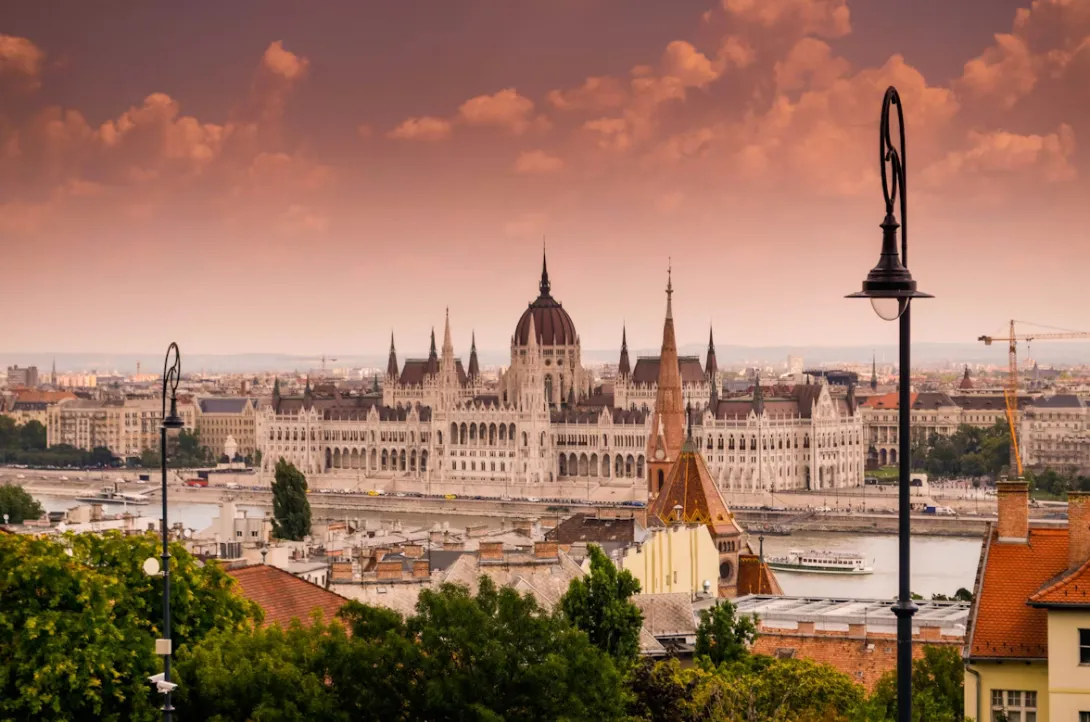
Embark on a Central European Adventure
The road from Budapest to Venice offers one of Europe's most rewarding driving experiences, connecting two of the continent's most iconic cities through landscapes that transition from the Hungarian plains to Alpine passes and finally to the Venetian lagoon. This approximately 550-mile journey isn't just about getting from point A to point B—it's an opportunity to explore the cultural and geographical diversity of Central Europe. While many travelers opt for flights or trains between these destinations, the road trip reveals layers of history, cuisine, and scenery that remain hidden from faster modes of transport. From Budapest's thermal baths to Venice's canals, the route passes through Slovenia's Julian Alps, Austria's Carinthian lakes, and Italy's Friuli-Venezia Giulia wine country. This guide provides everything you need to plan your journey, including essential logistics, recommended stops, and a detailed 3-day itinerary that maximizes your experience. For those wondering about the practicalities, we'll cover driving times, border crossings, and whether this trip justifies the effort compared to other transportation options. Remember, the key to a successful road trip lies in how to find the best stops and hidden gems between cities, turning what could be a simple drive into a memorable adventure.
Essential Detours and Points of Interest
The highway between Budapest and Venice connects numerous worthwhile destinations that transform the drive into a multi-day exploration. Rather than viewing the journey as a mere transit, consider these stops as integral parts of your Central European experience. Starting from Budapest, the first potential detour is Lake Balaton, Hungary's "inland sea," approximately 85 miles southwest of the capital. While slightly off the direct route, its northern shore towns like Balatonfüred offer thermal spas and vineyards worth a brief visit if time permits. More logically aligned with the route is the Austrian city of Graz, a UNESCO-listed gem with a well-preserved medieval core and the futuristic Kunsthaus art museum. Graz makes an excellent first overnight stop, providing Austrian cuisine and Baroque architecture without the crowds of Vienna. Continuing south, the route enters Slovenia, where the capital Ljubljana deserves at least a few hours. This compact, pedestrian-friendly city features dragon bridges, a hilltop castle, and vibrant café culture along the Ljubljanica River. From Ljubljana, drivers face a choice: head directly west toward Italy or detour to Lake Bled, Slovenia's most famous attraction. The 35-mile round trip adds about an hour of driving but rewards with iconic island church views and cream cake (kremšnita) sampling. Crossing into Italy, the Friuli-Venezia Giulia region offers underrated stops like Udine, with its Venetian-style piazzas, or the Prosecco hills near Conegliano. Finally, before reaching Venice, consider pausing in Treviso, a smaller canal city often called "Little Venice," which provides a quieter introduction to Venetian architecture. Each of these stops addresses the common traveler question about things to do between Budapest and Venice, proving that the journey itself holds as much interest as the destinations. Balancing major cities with smaller towns ensures variety, while how to find the best stops and hidden gems between cities principles encourage discoveries like the Škocjan Caves in Slovenia or the Cormons wine region in Italy—lesser-known sites that avoid overtourism.
Planning Your Journey: Practical Considerations
Before hitting the road, understanding the route's logistics ensures a smooth trip. The most direct path follows the E71/M7 from Budapest to the Hungarian-Austrian border, then continues via Austrian highways (A2, A10) into Slovenia, and finally Italian highways (A4) to Venice. However, scenic alternatives exist through secondary roads in Slovenia and northern Italy. Border crossings between Hungary, Austria, Slovenia, and Italy are generally straightforward for EU citizens, but non-EU travelers should check visa requirements and ensure passports are ready for inspection. The Schengen Area facilitates movement, but random checks can occur. Road conditions are excellent throughout, with well-maintained highways and clear signage. Tolls apply in Austria (vignette required), Slovenia (vignette), and Italy (pay-as-you-go on A4). Fuel costs vary, with Hungary typically being cheapest and Italy most expensive. Spring (April-June) and fall (September-October) offer ideal driving conditions with moderate traffic, while summer brings congestion and winter requires snow tires for Alpine passes. Below is a summary of key logistical information:
| Route Segment | Distance | Estimated Drive Time | Key Notes |
|---|---|---|---|
| Budapest to Graz | 155 miles | 2.5-3 hours | Hungarian M7 to Austrian A2, border crossing at Heiligenkreuz |
| Graz to Ljubljana | 115 miles | 2 hours | A9 through Austria into Slovenia, scenic Semmering area |
| Ljubljana to Venice | 155 miles | 3-3.5 hours | Italian A4 includes tolls, possible traffic near Venice |
| Total Direct Route | 425 miles | 7-8.5 hours | Without stops, via highways E71/M7, A2, A9, A4 |
The total driving time from Budapest to Venice without stops typically ranges from 7 to 8.5 hours, depending on traffic and border delays. However, this estimate assumes non-stop highway driving—the real value of this trip comes from deviating from the fastest route. Renting a car in Budapest and dropping it in Venice is possible with major international agencies, though one-way fees apply. Ensure your rental agreement permits cross-border travel to all countries on your itinerary. Insurance should cover the entire region. Navigation apps like Google Maps or Waze work reliably, but offline maps are recommended for areas with poor signal, particularly in Slovenian and Italian mountain regions.
A Three-Day Exploration Plan
For travelers with limited time, a 3-day itinerary from Budapest to Venice balances driving with meaningful exploration. This schedule assumes an early start from Budapest and focuses on key highlights without being overly rushed.
Day 1 begins with departure from Budapest by 8 AM, heading southwest on the M7/E71 toward the Austrian border. After approximately 2.5 hours of driving, stop in Graz for lunch and a 2-3 hour visit. Walk through the historic Hauptplatz and Schlossberg hill for city views. Resume driving by mid-afternoon, continuing on the A9 to Ljubljana (2 hours). Overnight in Ljubljana, allowing time for an evening stroll along the river and dinner in the old town.
Day 2 starts with exploring Ljubljana's morning market and castle. Depart by 11 AM for Lake Bled, a 45-minute drive. Spend 2-3 hours at the lake, walking the perimeter or taking a pletna boat to the island. Return to the car by 2 PM and drive toward Italy, crossing the border near Nova Gorica. This 2.5-hour segment ends in Udine, where you'll overnight.
Day 3 involves a short morning in Udine, visiting Piazza della Libertà, then driving 1.5 hours to Treviso for a lunch stop. The final leg to Venice takes under an hour, arriving by mid-afternoon. This itinerary covers approximately 4-5 hours of driving per day, leaving ample time for sightseeing. It prioritizes Ljubljana and Lake Bled while including Austrian and Italian culture. For those with more time, adding an extra day allows for deeper exploration of Slovenia's Julian Alps or Italy's Prosecco region. This Budapest to Venice itinerary 3 days framework demonstrates that the drive is not only feasible but enriching when planned with strategic stops.
Continue Your Adventure
Frequently Asked Questions
What is the total driving distance and time from Budapest to Venice?
The most direct highway route covers approximately 425 miles (685 kilometers). Without stops, driving time typically ranges from 7 to 8.5 hours, depending on traffic conditions, border crossings, and toll plaza delays. This assumes use of highways M7/E71, A2, A9, and A4. However, most travelers should plan for 9-10 hours including brief rest stops and fuel breaks.
Is the drive from Budapest to Venice scenic and worthwhile?
Yes, the route offers diverse scenery including Hungarian plains, Austrian Alpine foothills, Slovenian lakes and mountains, and Italian vineyards. While the highway sections are efficient but less scenic, detours to places like Lake Bled or secondary roads through the Julian Alps provide dramatic landscapes. The trip is worthwhile for those interested in experiencing multiple cultures and regions in one journey, compared to flying which saves time but misses these intermediate discoveries.
What are the must-see attractions along the way?
Key attractions include Graz's historic center (UNESCO), Ljubljana's castle and riverfront, Lake Bled with its island church, and Udine's Venetian-style architecture. Lesser-known gems include the Škocjan Caves in Slovenia, the Predjama Castle, and the Prosecco hills near Conegliano, Italy. Balancing major cities with natural and cultural stops enhances the experience.
Are there any border crossing requirements or documents needed?
All four countries (Hungary, Austria, Slovenia, Italy) are in the Schengen Area, allowing generally seamless border crossings for EU citizens. Non-EU travelers must carry valid passports and check visa requirements. Random customs checks may occur, so have rental documents, insurance papers, and passports accessible. No COVID-19 restrictions are currently in place, but verify latest entry rules before travel.
What is the best time of year to make this road trip?
Spring (April to June) and autumn (September to October) offer ideal conditions with mild temperatures, fewer tourists, and generally clear roads. Summer (July-August) brings higher traffic, especially near tourist areas like Lake Bled and Venice, and potential heat. Winter (November-March) requires snow tires and chains for Alpine sections, and some secondary roads may close due to snow.
Can this trip be done in a weekend or does it require more time?
While it's physically possible to drive directly in one long day (7-8.5 hours), this misses the journey's value. A minimum of 2 days allows one overnight stop (e.g., Ljubljana) with brief sightseeing. For a balanced experience with multiple stops, 3-4 days is recommended. The 3-day itinerary provided in this guide offers a practical compromise between time and exploration.