
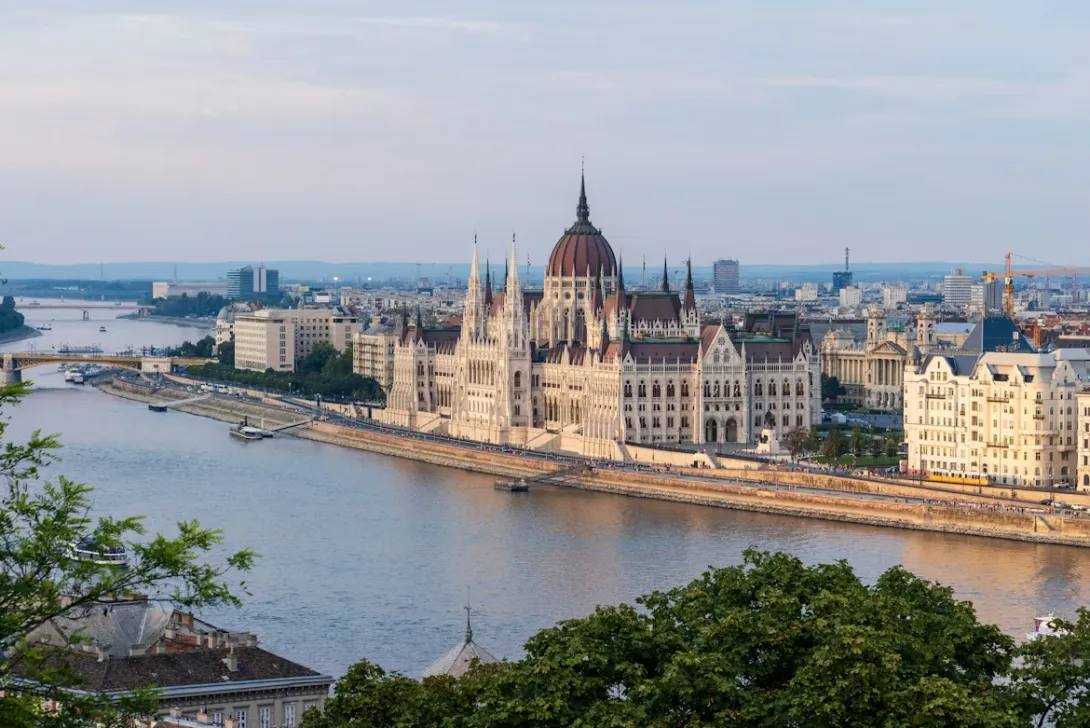
Embarking on a Balkan Road Adventure
Driving from Budapest to Sofia offers more than just a journey between two capitals — it's a passage through diverse landscapes, cultures, and histories. This approximately 550-kilometer route connects Hungary's elegant Danube-side metropolis with Bulgaria's vibrant capital at the foot of Vitosha Mountain. While some travelers might consider flying or taking a train, the road trip reveals layers of Central and Southeastern Europe that are otherwise missed. The drive takes you through Hungary's Great Plain, across Serbia's northern farmlands, and into Bulgaria's mountainous interior, with each country offering distinct culinary traditions, architectural styles, and natural scenery. This guide provides practical information for planning your journey, including how long to drive Budapest to Sofia, whether it's worth driving Budapest to Sofia, and detailed recommendations for the best stops Budapest to Sofia.
A Three-Day Exploration Plan
For travelers with limited time, a well-planned Budapest to Sofia itinerary 3 days allows for meaningful exploration without feeling rushed.
Day 1 begins with an early departure from Budapest, heading south on the M5. Stop in Kecskemét for morning coffee and to admire the Art Nouveau City Hall and Cifra Palace. Continue to Szeged for lunch, trying local fish soup (halászlé) before visiting the Votive Church and Szeged Synagogue. Cross into Serbia and drive to Novi Sad, where you'll spend the night. Explore Petrovaradin Fortress in the evening and dine along the Danube.
Day 2 starts with Novi Sad's old town before driving to Belgrade. Visit Kalemegdan Fortress and have lunch in Skadarlija. Continue south to Niš, stopping at the Niš Fortress and Skull Tower if time permits. Overnight in Niš or continue to the Bulgarian border town of Dimitrovgrad.
Day 3 involves crossing into Bulgaria and driving to Sofia, with a possible stop at the Dragoman Marsh for birdwatching or Pernik's medieval fortress. Arrive in Sofia by mid-afternoon to visit Alexander Nevsky Cathedral and the ancient Serdica ruins. This Budapest to Sofia itinerary 3 days balances driving with exploration, though adding extra days allows for deeper immersion. When considering is it worth driving Budapest to Sofia versus flying, this itinerary demonstrates how the journey itself becomes part of the destination.
Discovering the Route's Highlights
The journey between Budapest and Sofia is rich with worthwhile detours and interesting stops. Rather than viewing it as mere transit, consider these opportunities to explore. In southern Hungary, just off the M5, Kecskemét offers Art Nouveau architecture and traditional Hungarian fruit brandy (pálinka) tasting. Further south, near the border, Szeged — Hungary's 'City of Sunshine' — features stunning Art Nouveau buildings and the vast Szeged Open-Air Festival stage. Crossing into Serbia, Novi Sad provides a compelling alternative to Belgrade for those with limited time. This cultural capital of the Vojvodina region boasts the Petrovaradin Fortress overlooking the Danube and a charming old town with Austro-Hungarian architecture. Belgrade itself, though slightly off the most direct route, offers historic Kalemegdan Fortress at the confluence of the Danube and Sava rivers, along with vibrant nightlife in the Skadarlija district. Continuing south, the city of Niš serves as a convenient stopping point with Roman ruins at Mediana and the sobering Skull Tower from Ottoman times. For those seeking less-visited destinations, consider learning how to find the best stops and hidden gems between cities to discover places like Serbia's Đavolja Varoš (Devil's Town) rock formations or Bulgaria's Iskar Gorge. As you enter Bulgaria, the first major town is Dragoman, known for its wetlands habitat, followed by the larger city of Pernik with its medieval fortress. These represent just some of the things to do between Budapest and Sofia that transform the drive into a meaningful journey.
Planning Your Journey: Practical Considerations
| Route Option | Distance | Driving Time | Border Crossings | Road Conditions |
|---|---|---|---|---|
| Direct Highway (E75/E80) | 550 km | 6-7 hours | 2 (Hungary-Serbia, Serbia-Bulgaria) | Good highways, some construction zones |
| Scenic Route via Detours | 650-750 km | 8-10+ hours | 2-3 depending on detours | Mix of highways and secondary roads |
The most direct route follows Hungary's M5 motorway south to the Serbian border, continues as the E75 through Novi Sad and Belgrade, then transitions to the E80 through Niš before crossing into Bulgaria and continuing to Sofia. Border crossings typically take 30-60 minutes each, though this can vary significantly depending on time of day and season. Summer weekends and holiday periods often see longer queues. Required documents include a valid passport (EU citizens can use national ID cards), driver's license, vehicle registration, and proof of insurance (Green Card). Note that Serbia is not in the EU, so roaming charges may apply for mobile data. Fuel is readily available along the route, with prices generally lower in Serbia than in Hungary or Bulgaria. For those wondering how long to drive Budapest to Sofia without stops, plan for approximately 7 hours including border formalities.
Continue Your Adventure
Frequently Asked Questions
What is the total driving distance and time from Budapest to Sofia?
The direct route covers approximately 550 kilometers (342 miles). Without stops, driving time is about 6-7 hours under ideal conditions, but you should plan for 7-8 hours to account for two border crossings (Hungary-Serbia and Serbia-Bulgaria), which typically add 30-60 minutes each depending on traffic and time of day.
Do I need special documents or insurance for this road trip?
Yes. You'll need a valid passport (EU citizens can use national ID cards), driver's license, vehicle registration, and proof of insurance. For Serbia (non-EU), ensure your insurance includes a Green Card. Rental cars may require additional documentation—check with your provider about cross-border travel permissions.
What are the main border crossing points?
The primary crossings are Röszke/Horgoš (Hungary-Serbia) on the M5/E75 and Gradina/Kalotina (Serbia-Bulgaria) on the E80. Both are open 24/7. Prepare for potential queues during peak travel times, especially summer weekends and holidays.
Are there tolls on the route?
Yes. Hungary's M5 motorway requires a vignette (e-matrica) for passenger cars, available online or at border stations. Serbia has toll plazas on the E75 and E80 where you pay in cash (Serbian dinars) or card. Bulgaria's highways use a vignette system, purchasable at borders or online.
What is the best time of year to make this drive?
Late spring (May-June) and early autumn (September-October) offer pleasant temperatures, fewer tourists, and generally smooth border crossings. Summer can be hot with more traffic, while winter may bring snow, especially in Bulgaria's mountains, requiring winter tires and caution.
Can I complete this trip in one day?
While technically possible to drive directly in 7-8 hours, it makes for a long day with little time for stops or unexpected delays. Breaking the journey into two days allows for exploration of places like Novi Sad or Niš and reduces driver fatigue, significantly enhancing the experience.