
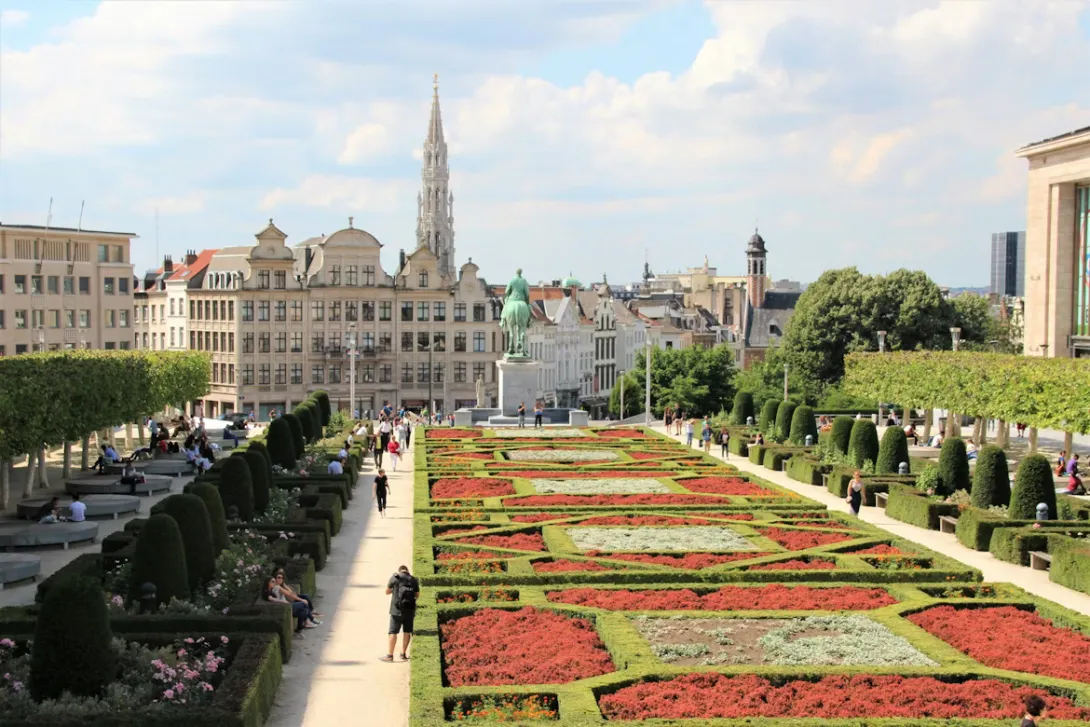
The Ultimate European Road Adventure
Driving from Brussels to Prague offers one of Europe's most rewarding road trip experiences, connecting two of the continent's most fascinating capitals through a diverse tapestry of landscapes, cultures, and historical sites. While the direct route covers approximately 750 kilometers (466 miles), the true magic of this journey lies in the detours and discoveries along the way. This guide provides everything you need to plan your adventure, from practical logistics to must-see attractions and insider tips for making the most of your drive through Belgium, Germany, and the Czech Republic.
Many travelers wonder: is it worth driving Brussels to Prague? Absolutely. While trains and flights offer convenience, a road trip provides unparalleled flexibility to explore medieval towns, scenic countryside, and cultural gems that you'd miss otherwise. The journey transforms from mere transportation into an integral part of your European experience, allowing you to witness the gradual transition from Western to Central Europe's distinct character.
Unforgettable Stops Along the Way
The best stops Brussels to Prague transform this drive from a simple journey into a memorable adventure. Rather than sticking strictly to highways, consider these exceptional destinations that showcase the region's diversity.
Aachen, Germany - Just across the Belgian border, Aachen makes an excellent first stop. This historic city was Charlemagne's capital and features the stunning Aachen Cathedral, a UNESCO World Heritage site. The thermal baths offer relaxation after your initial drive, while the old town's cobblestone streets provide perfect photo opportunities.
Cologne (Köln) - Approximately 2 hours from Brussels, Cologne's magnificent Gothic cathedral dominates the skyline. The city offers excellent museums, the charming Old Town along the Rhine, and the unique Chocolate Museum. For those interested in how to find the best stops and hidden gems between cities, Cologne serves as a perfect example of balancing major attractions with local experiences like Kölsch beer in traditional breweries.
Frankfurt am Main - While known as Germany's financial hub, Frankfurt offers surprising cultural depth. The reconstructed Old Town (Römerberg), the Museum Embankment along the Main River, and the panoramic views from the Main Tower provide diverse experiences. The city makes an excellent overnight stop with abundant accommodation options.
Bamberg - A UNESCO World Heritage site, Bamberg's entire old town is remarkably preserved. The unique architecture, including the cathedral and Old Town Hall built on an island in the Regnitz River, creates a fairy-tale atmosphere. Beer enthusiasts will appreciate the city's nine historic breweries and smoked beer tradition.
Karlovy Vary (Carlsbad) - Crossing into the Czech Republic, this famous spa town offers a completely different experience. The colonnades with thermal springs, elegant architecture, and surrounding forested hills provide relaxation and natural beauty. The Moser glassworks and Becherovka herbal liqueur distillery offer interesting visits.
These represent just a sampling of the things to do between Brussels and Prague. Each region offers its own specialties—from Belgian chocolate and German sausages to Czech dumplings—making culinary exploration an integral part of the journey.
A Perfect Three-Day Road Trip Plan
For those with limited time, a Brussels to Prague itinerary 3 days allows you to experience the highlights without feeling rushed. This balanced schedule combines driving with meaningful exploration.
Day 1: Brussels to Frankfurt (Approximately 4 hours driving)
Depart Brussels early, stopping in Aachen for morning coffee and cathedral viewing. Continue to Cologne for lunch and a visit to the cathedral (allow 2-3 hours). Drive to Frankfurt, arriving in late afternoon. Evening exploration of Römerberg and dinner in Sachsenhausen district with traditional Apfelwein.
Day 2: Frankfurt to Karlovy Vary (Approximately 5 hours driving)
Morning departure toward Bamberg. Spend midday exploring Bamberg's old town and enjoying local smoked beer. Continue through scenic Franconian Switzerland toward the Czech border. Arrive in Karlovy Vary for evening spa relaxation and overnight stay.
Day 3: Karlovy Vary to Prague (Approximately 2 hours driving)
Morning exploration of Karlovy Vary's colonnades and possibly a spa treatment. Depart around noon, with optional stop at Loket Castle en route to Prague. Arrive in Prague by mid-afternoon, allowing time to settle before evening exploration of the Lesser Town or dinner cruise on the Vltava River.
This itinerary balances driving time (approximately 11 hours total) with substantial exploration at key destinations. For those with more time, consider adding extra days in the Rhine Valley, Saxon Switzerland National Park near the Czech-German border, or extended stays in any of the mentioned cities.
Planning Your Journey: Distance, Time & Practicalities
Understanding the logistics is crucial for a successful road trip. The most direct route follows major highways through Germany, but numerous alternative routes offer more scenic and interesting experiences.
| Route Option | Approximate Distance | Driving Time (No Stops) | Key Characteristics |
|---|---|---|---|
| Direct Highway Route | 750 km (466 miles) | 7-8 hours | Fastest option via A4/E40, mostly toll-free in Germany |
| Scenic Southern Route | 850 km (528 miles) | 9-10 hours | Includes Rhine Valley, Bavarian countryside |
| Northern Cultural Route | 800 km (497 miles) | 8-9 hours | Passes through historic cities like Cologne and Dresden |
When considering how long to drive Brussels to Prague, remember that these times represent continuous driving without stops. In reality, you'll want to factor in breaks, meals, and exploration time. The journey typically requires at least one overnight stop if you're not rushing. Border crossings between EU countries are generally seamless, but always carry your driver's license, vehicle registration, and insurance documents. Germany's Autobahn has sections without speed limits, while Czech highways require a vignette (toll sticker) available at border stations or online.
Continue Your Adventure
Frequently Asked Questions
What is the best time of year for this road trip?
Spring (April-June) and autumn (September-October) offer ideal conditions with mild temperatures, fewer crowds, and beautiful seasonal colors. Summer brings warmer weather but more tourists, while winter can be challenging with potential snow, though Christmas markets in German and Czech towns add magical atmosphere from late November through December.
Do I need special documentation for driving between these countries?
EU/EEA drivers need a valid license, vehicle registration, and insurance (Green Card). Non-EU drivers should carry an International Driving Permit along with their national license. The Czech Republic requires a highway vignette for vehicles under 3.5 tons, available at border stations, gas stations, or online. All three countries are in the Schengen Area, so passport checks are minimal.
What are the road conditions like?
Major highways (Autobahns in Germany, D-roads in Czech Republic) are generally excellent. German Autobahns have sections without speed limits but frequent traffic. Czech highways are well-maintained but narrower in places. Secondary roads offer scenic routes but may be slower. Winter driving requires caution, especially in mountainous regions. Always check local conditions before departure.
Are there any must-try foods along the route?
Yes, each region offers specialties: In Belgium, try waffles, chocolate, and moules-frites. Germany features regional variations like Cologne's Kölsch beer with Halve Hahn, Frankfurt's green sauce, and Bamberg's smoked beer with sausage. Czech cuisine offers goulash, svíčková (marinated beef), dumplings, and of course, Pilsner beer. Roadside stops often have excellent local bakeries and markets.
How much should I budget for this trip?
Costs vary by travel style. Budget approximately €60-100 per day for fuel (depending on vehicle and route), €80-150 nightly for mid-range accommodation, €30-50 daily for meals per person, plus attraction fees (€10-20 per major site). Germany is generally more expensive than the Czech Republic. Toll costs are minimal (Czech vignette €12 for 10 days). Total for a 3-day trip for two: €600-900 excluding pre-trip expenses.