
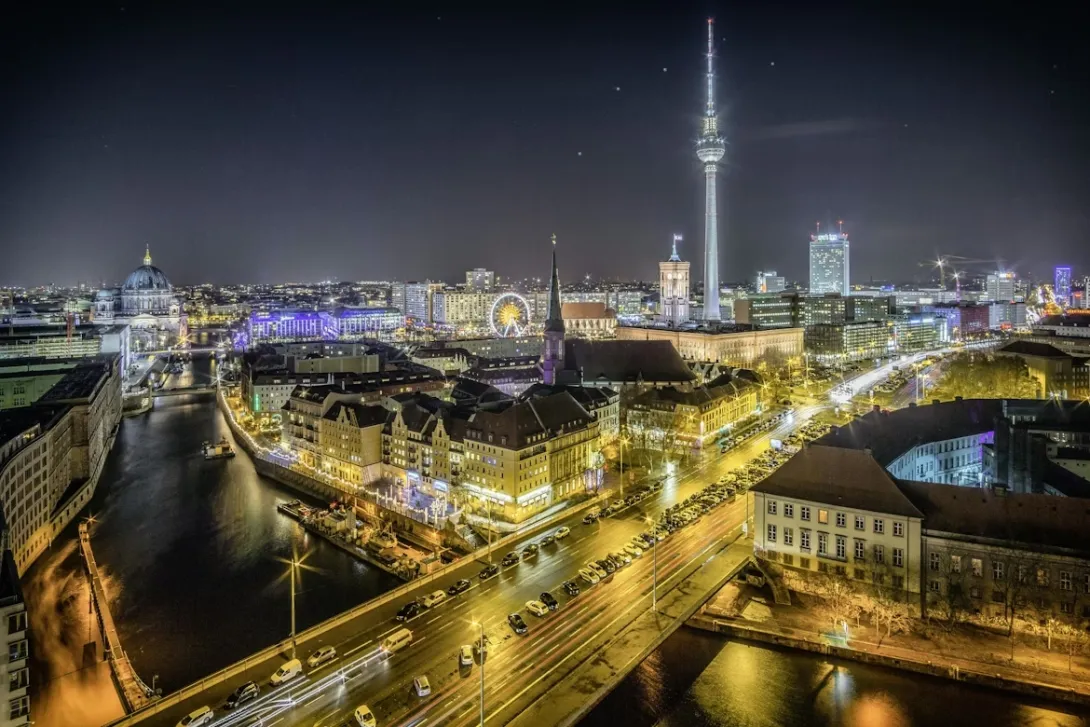
The Ultimate Berlin-Warsaw Road Trip Adventure
Driving from Berlin to Warsaw offers more than just a journey between two capital cities—it's a passage through centuries of European history, diverse landscapes, and cultural transitions. While many travelers consider flying or taking the train, the road trip option provides unparalleled flexibility to explore the fascinating regions between Germany and Poland. This 350-mile route takes you from Berlin's modern urban energy through the historic Brandenburg countryside, across the Oder River border, and into Poland's western territories before reaching Warsaw's resilient spirit. Whether you're interested in medieval castles, World War II history, or simply enjoying scenic drives through changing landscapes, this journey delivers a rich tapestry of experiences. The key to maximizing this trip lies in strategic planning—knowing where to stop, how to time your drive, and discovering those special places that transform a simple drive into a memorable adventure. For those wondering about the practicalities, understanding how to find the best stops and hidden gems between cities can make all the difference between a rushed transit and a journey filled with discovery.
Optimized Three-Day Travel Plan
For travelers with limited time who want to experience the journey rather than merely complete it, this three-day itinerary balances driving with meaningful exploration.
Day One begins with an early departure from Berlin, heading southeast to the Spreewald Biosphere Reserve for a morning paddle through its unique waterways. After lunch featuring local pickles and smoked fish, continue to Frankfurt (Oder) to explore its Gothic architecture before crossing into Poland. Spend your first night in Słubice or continue to the larger city of Zielona Góra, known for its wine production despite Poland's northern climate. This first day covers approximately 150 miles of driving with substantial exploration time.
Day Two focuses on central Poland's historical heartland. Drive from your overnight location to Poznań (about 90 minutes), dedicating the morning to the Old Town, Cathedral Island, and the interactive culinary museum. After a traditional Polish lunch featuring pierogi or roasted duck, consider a short detour to Gniezno to see Poland's first capital before continuing toward Warsaw. Stop in the town of Konin or Uniejów for your second night, both offering thermal baths for relaxation after driving. This day involves roughly 120 miles of travel with significant cultural immersion.
Day Three completes the journey to Warsaw with strategic stops. Depart early to visit Kampinos National Park for morning hiking among ancient oak forests and European bison viewing areas. Alternatively, history enthusiasts might prefer the Museum of the Warsaw Uprising located in the city itself. Arrive in Warsaw by early afternoon to explore the meticulously reconstructed Old Town (a UNESCO World Heritage site), the Royal Castle, and the POLIN Museum of the History of Polish Jews. This final day includes about 100 miles of driving with flexible exploration options before settling into Poland's vibrant capital. This itinerary demonstrates that with proper planning, three days provides sufficient time to experience the journey's highlights rather than merely enduring the transit.
Route Planning and Practical Information
| Route Segment | Distance | Approximate Drive Time | Main Highway |
|---|---|---|---|
| Berlin to Frankfurt (Oder) | 55 miles | 1 hour | A12 |
| Frankfurt (Oder) to Poznań | 110 miles | 2 hours | A2 |
| Poznań to Warsaw | 185 miles | 3 hours | A2 |
| Total Direct Route | 350 miles | 6 hours | A12/A2 |
The most direct route follows the A12 from Berlin to the German-Polish border at Frankfurt (Oder), then continues on Poland's A2 highway through Poznań to Warsaw. Without stops, the drive takes approximately 6 hours under normal traffic conditions. However, this estimate doesn't account for border considerations, rest breaks, or exploration time. While Germany and Poland are both in the Schengen Area, meaning no passport checks at the border for EU citizens, you should still carry valid identification. The border crossing at Frankfurt (Oder)/Słubice is straightforward, but be prepared for potential traffic during peak travel periods. Road conditions are generally excellent on both sides, with Germany's Autobahn having no general speed limit on many sections (though advisory speeds apply) and Poland's highways typically limited to 140 km/h (87 mph). Toll requirements vary: Germany's A12 is toll-free for passenger cars, while Poland's A2 requires a vignette (electronic toll) for vehicles under 3.5 tons. Fuel is generally more affordable in Poland, so consider filling up after crossing the border. For navigation, reliable mobile data coverage exists along most of the route, but downloading offline maps is recommended for rural detours.
Essential Destinations Along the Route
The journey between Berlin and Warsaw is dotted with destinations that merit exploration beyond brief rest stops. Starting from Berlin, your first significant opportunity comes in Brandenburg's countryside. The Spreewald Biosphere Reserve, located about 60 miles southeast of Berlin, offers a unique landscape of forested canals perfect for a morning kayak or traditional punt boat tour—a refreshing contrast to urban Berlin. Continuing eastward, Frankfurt (Oder) presents your last German stop before Poland. This border city features the impressive St. Mary's Church and the Kleist Museum dedicated to the German poet Heinrich von Kleist. Just across the Oder River lies Słubice, Poland, where you can experience your first taste of Polish culture and cuisine.
As you travel deeper into Poland, Poznań emerges as a major highlight approximately halfway between the two capitals. This historic city boasts one of Poland's oldest cathedrals on Cathedral Island, a beautifully restored Old Market Square with colorful merchant houses, and the interactive Rogalowe Museum showcasing Poznań's signature St. Martin's croissants. Don't miss the mechanical goats that butt heads daily at noon on the Town Hall clock—a tradition dating back centuries. For those interested in military history, the Museum of Armored Weapons in Poznań offers extensive collections.
Between Poznań and Warsaw, consider detouring to the medieval town of Gniezno, Poland's first capital, where you can visit the Gothic cathedral containing the relics of St. Adalbert. Alternatively, the UNESCO-listed Park Mużakowski (Muskau Park) straddles the German-Polish border north of the main route and represents one of Europe's finest English-style landscape parks. Closer to Warsaw, the Kampinos National Park provides opportunities for hiking in primeval forest just 15 miles from the city center. Each of these destinations contributes distinct cultural, historical, or natural experiences that collectively answer the question of what makes driving between these cities worthwhile.
Continue Your Adventure
Frequently Asked Questions
How long does it take to drive from Berlin to Warsaw without stops?
The direct drive from Berlin to Warsaw covers approximately 350 miles (563 kilometers) via the A12 and A2 highways. Under normal traffic conditions with no stops, the journey takes about 6 hours. This assumes you maintain legal speed limits, encounter no significant traffic delays, and experience smooth border crossing at Frankfurt (Oder)/Słubice. However, actual time can vary based on traffic patterns, weather conditions, and time of day—rush hours in either city can add considerable time.
Is driving from Berlin to Warsaw a worthwhile experience compared to flying or taking the train?
Driving offers distinct advantages over flying or train travel for certain types of travelers. While flying is fastest (about 1 hour flight time plus airport procedures) and trains are convenient (5.5-6 hours direct), driving provides complete flexibility to explore intermediate destinations at your own pace. The road trip allows you to visit places like the Spreewald Biosphere Reserve, historic Poznań, and medieval Gniezno—destinations not easily accessible via direct transit options. Additionally, having a car in Warsaw provides mobility for exploring beyond the city center. The decision depends on your priorities: choose flying for maximum time efficiency, trains for stress-free city-center travel, or driving for exploration freedom and access to rural attractions.
What are the most interesting things to do between Berlin and Warsaw?
The route offers diverse attractions spanning natural, historical, and cultural categories. Natural highlights include the Spreewald's canal network (perfect for boating), Kampinos National Park's primeval forest, and Park Mużakowski's landscaped gardens. Historical sites feature prominently: Frankfurt (Oder)'s Gothic architecture, Poznań's Cathedral Island (Poland's first cathedral), Gniezno's status as Poland's first capital, and Warsaw's reconstructed Old Town showcasing post-war restoration. Cultural experiences range from Poznań's interactive culinary museum and mechanical goat spectacle to sampling regional specialties like Berliner currywurst, Spreewald pickles, Poznań croissants, and Warsaw's zapiekanka. Military history enthusiasts can explore museums in Poznań and Warsaw, while architecture lovers will appreciate the transition from German to Polish building styles.
What should I know about border crossing and documentation?
Since both Germany and Poland are in the Schengen Area, there are no routine passport checks at the Frankfurt (Oder)/Słubice border crossing for EU citizens. However, random checks can occur, so always carry valid identification (passport or national ID card). Non-EU citizens must ensure they have appropriate Schengen visas if required. While customs checks are minimal for personal travel, be aware of duty-free allowances if transporting significant quantities of alcohol, tobacco, or other regulated goods. The border infrastructure is well-developed with service stations on both sides, but traffic can build during holiday periods. Ensure your vehicle documents (registration, insurance with international coverage) are in order, as Polish authorities may request them during routine traffic stops.