
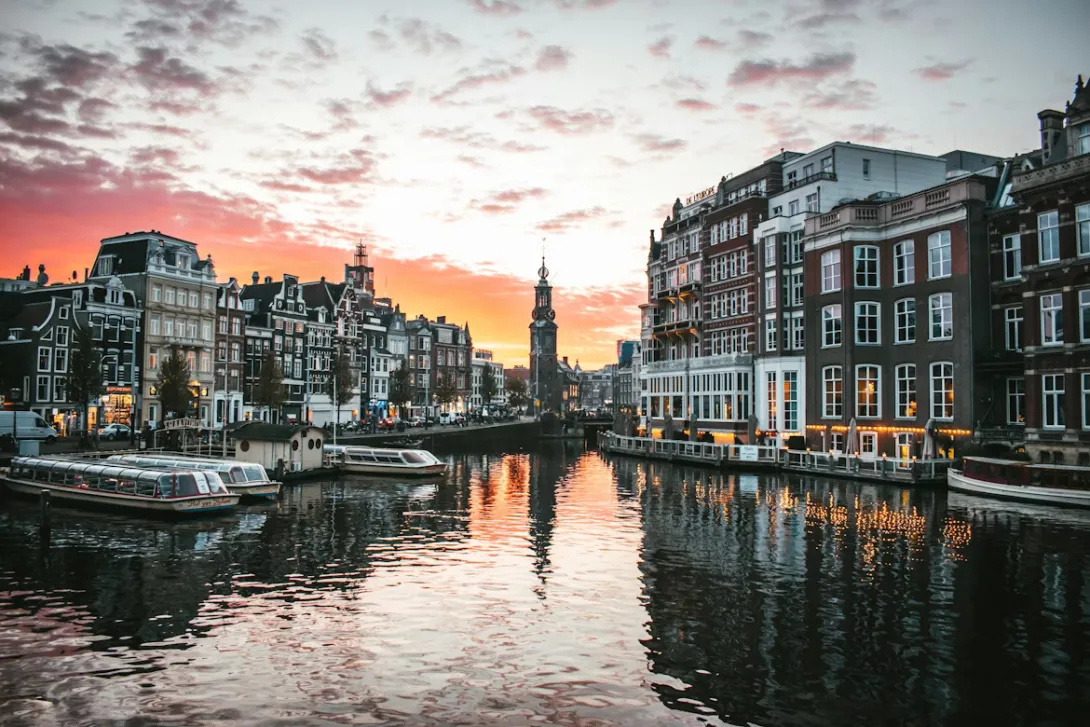
The Ultimate European Road Trip Adventure
Driving from Amsterdam to Lisbon represents one of Europe's most diverse and rewarding road journeys, spanning approximately 2,300 kilometers through five countries. This route takes you from the flat, canal-laced landscapes of the Netherlands, through the historic heart of France, across the rugged mountains of Spain, and finally to the sun-drenched Atlantic coast of Portugal. While many travelers opt for flights between these popular destinations, the road offers unparalleled opportunities to experience Europe's changing geography, architecture, cuisine, and culture at your own pace. This guide provides comprehensive planning information, from practical logistics to cultural highlights, helping you decide if this drive is right for your travel style and how to make the most of every kilometer.
Condensed Three-Day Driving Schedule
For travelers with limited time, a three-day Amsterdam to Lisbon itinerary focuses on covering essential ground while incorporating key experiences.
Day 1 begins with an early departure from Amsterdam, driving approximately 5 hours to Paris with a potential stop in Brussels for lunch and a quick visit to the Grand Place. After arriving in Paris by mid-afternoon, spend the evening exploring neighborhoods like Montmartre or the Latin Quarter.
Day 2 involves a longer 7-8 hour drive from Paris to Madrid, with a lunch stop in Bordeaux to sample local cuisine. Arrive in Madrid in the evening for tapas in the La Latina district.
Day 3 covers the final 6-7 hour leg from Madrid to Lisbon, with a midday break in the historic walled city of Cáceres before reaching Lisbon by evening. While this accelerated schedule requires substantial driving time each day, it efficiently connects three of Europe's great capitals while providing glimpses of intermediate regions. For a more leisurely pace with deeper exploration, extending to 5-7 days is strongly recommended.
Essential Destinations Along the Route
The journey from Amsterdam to Lisbon offers countless worthwhile detours and stops. Beginning in the Netherlands, consider exploring Utrecht's medieval center or Rotterdam's modern architecture before crossing into Belgium. Brussels provides a natural first major stop with its Grand Place and culinary specialties. In France, Paris needs little introduction, but beyond the capital, the Loire Valley's châteaux around Tours offer magnificent Renaissance architecture, while Bordeaux presents world-class wine regions just off the highway. As you enter Spain, Burgos' Gothic cathedral and Salamanca's golden sandstone university buildings warrant exploration. Madrid serves as a natural halfway point with its world-class museums and vibrant neighborhoods. Further west, the historic cities of Cáceres and Mérida in Extremadura feature remarkable Roman ruins and well-preserved medieval quarters. Upon entering Portugal, the university city of Coimbra and the medieval town of Óbidos make excellent final stops before reaching Lisbon. Each of these locations provides distinct cultural experiences, from Belgian beer culture to Portuguese fado music, creating a rich tapestry of European diversity.
Planning Your Journey: Distance, Time, and Practical Considerations
The most direct route from Amsterdam to Lisbon follows major highways through Belgium, France, and Spain before entering Portugal. The total driving distance is approximately 2,300 kilometers (1,430 miles) via the A2/E35, A10/E5, A63/E70, A63/E80, AP-1, A-6, and A-6/A-2 corridors. Without stops, this drive takes about 22-24 hours of pure driving time, spread over multiple days. Most travelers complete the journey in 4-7 days depending on their pace and number of stops. Key considerations include toll costs (particularly in France, Spain, and Portugal), varying speed limits by country, and seasonal weather conditions. Spring and autumn offer the most pleasant driving weather, while summer brings higher traffic volumes and temperatures. For those wondering about the feasibility, breaking the drive into manageable daily segments of 4-6 hours allows for comfortable progress while leaving time for exploration. A crucial planning tool is understanding how to find the best stops and hidden gems between cities, which can transform a simple transit into a memorable journey.
| Segment | Distance | Driving Time | Recommended Overnight |
|---|---|---|---|
| Amsterdam to Paris | 500 km | 5-6 hours | Paris or Reims |
| Paris to Bordeaux | 580 km | 5.5-6.5 hours | Bordeaux or Tours |
| Bordeaux to Madrid | 780 km | 7-8 hours | Madrid or Salamanca |
| Madrid to Lisbon | 630 km | 6-7 hours | Lisbon or Cáceres |
Continue Your Adventure
Frequently Asked Questions
What are the best stops between Amsterdam and Lisbon?
Key stops include Brussels for its historic center, Paris for iconic landmarks, Bordeaux for wine culture, Madrid for art and nightlife, and Salamanca for Renaissance architecture. Smaller gems include the Loire Valley châteaux, Burgos Cathedral, Cáceres' medieval quarter, and Óbidos' walled town.
How long does it take to drive from Amsterdam to Lisbon?
The pure driving time is approximately 22-24 hours covering 2,300 kilometers. Most travelers complete the journey in 4-7 days when including overnight stops and sightseeing. A direct three-day drive is possible but involves 6-8 hours of driving daily.
Is driving from Amsterdam to Lisbon worth the effort?
For travelers seeking to experience Europe's geographical and cultural diversity at their own pace, the drive offers significant advantages over flying. The journey provides access to regions often missed by air travelers, from French vineyards to Spanish historic towns. However, it requires time commitment, planning for tolls and accommodations, and comfort with long-distance driving.
What are the main things to do between Amsterdam and Lisbon?
Activities vary by region: sample Belgian chocolates in Brussels, visit Louvre in Paris, tour Bordeaux wineries, explore Madrid's Prado Museum, see Roman ruins in Mérida, and experience Portuguese fado in Coimbra. Scenic drives through the Pyrenees and along Portugal's coast offer additional attractions.